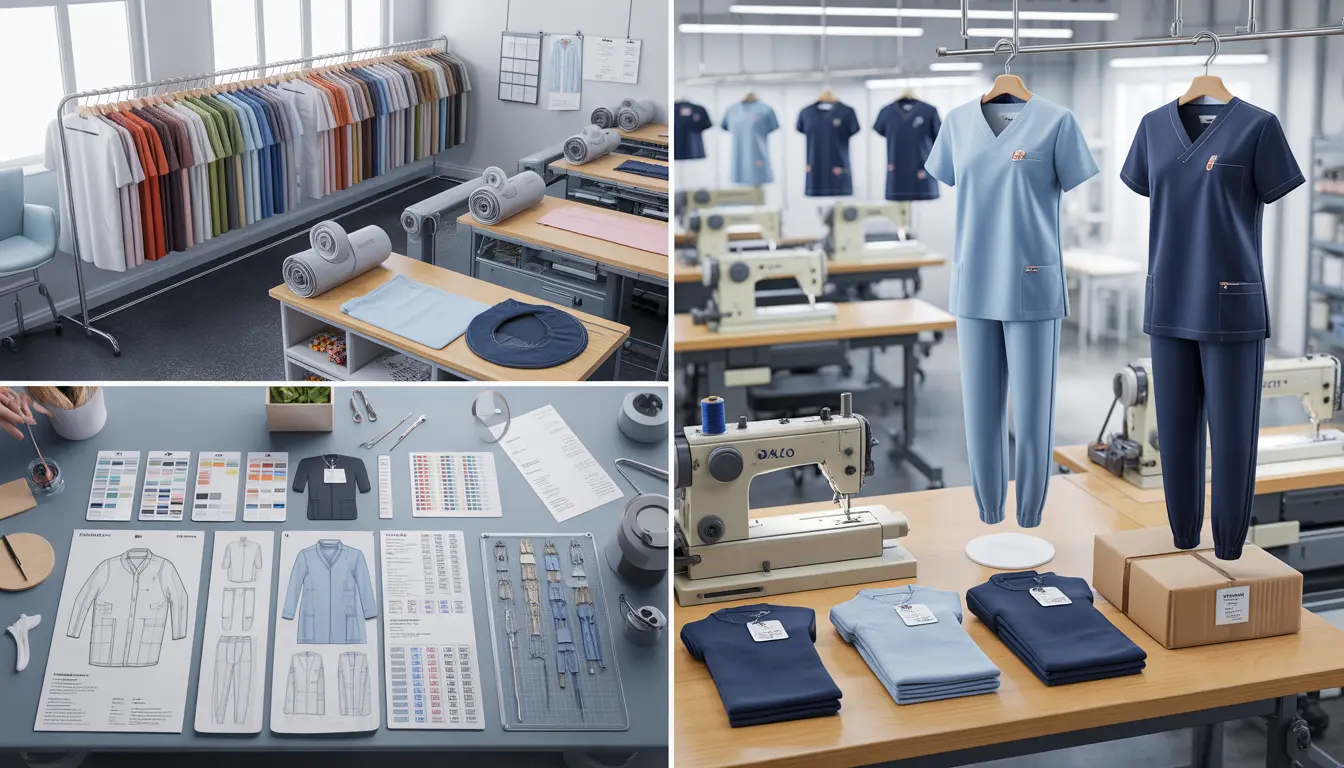
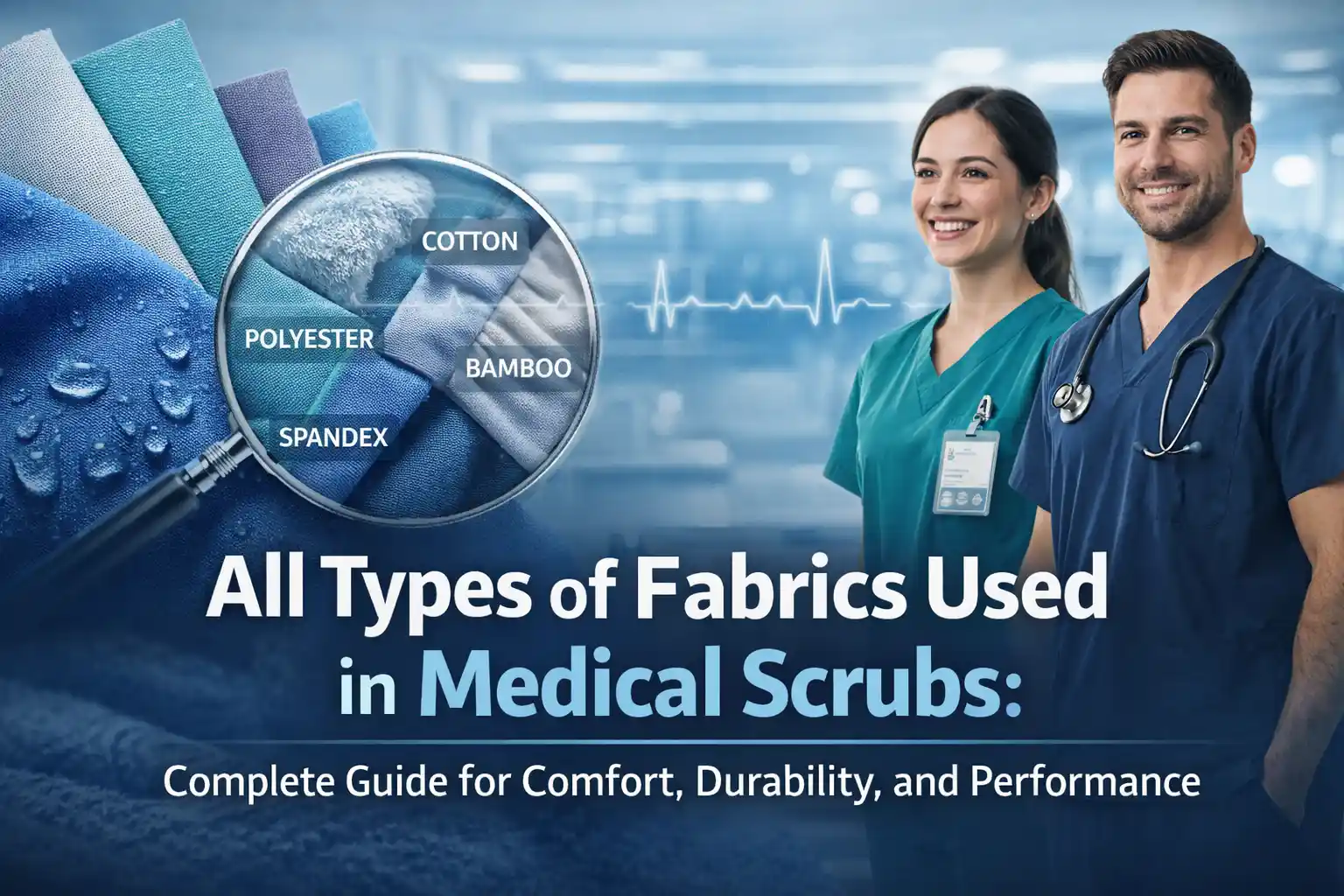

Choosing the right fabric for medical scrubs is vital for healthcare organizations. It affects staff comfort, movement, durability, and infection control. In busy places like ERs and ICUs, scrubs should allow easy movement and keep their shape and color even after many washes. Fabrics need to be breathable and manage moisture to keep staff comfortable during long shifts. They should also resist wrinkles and maintain consistent colors for a professional look.
Different types of fabric, such as cotton, polyester, rayon, bamboo, nylon, and spandex, have their own strengths and weaknesses. Cotton is soft and breathable, but it can shrink or wrinkle. Polyester blends are strong, dry quickly, and hold color well. Fabrics with spandex provide stretch and comfort. Blended fabrics like poly-rayon-spandex offer durability, comfort, and moisture-wicking for demanding roles.
Knowing these differences helps teams choose scrubs that fit their department’s needs, climate, and job focus. The right fabric lowers wear and tear, reduces discomfort, and makes managing uniforms easier, making fabric choice important for overall healthcare efficiency.
Comfort, Safety, and Professional Image in Healthcare Uniforms
Comfort and safety are important for healthcare workers on long, tough shifts. Scrub fabrics should allow easy movement for lifting, bending, and reaching while looking professional. Breathable materials help keep workers cool and manage sweat, which reduces discomfort and skin irritation. Fabrics that resist fluids and are durable help control infections and reduce cross-contamination. Consistent colors and wrinkle resistance help maintain a clear professional look across departments. Choosing the right fabrics helps staff concentrate on patient care, reduces tiredness, and ensures uniforms stay fit and effective after many washes.
Core Trade Offs: Comfort versus Durability versus Stretch versus Infection Control
Choosing scrub fabrics requires considering several important factors. Natural fibers like cotton are soft and breathable, but they can wrinkle or shrink during industrial washing. Polyester fabrics are very durable and keep their color well, but they may not breathe as well. Adding stretchy fibers can improve movement, which is important for active staff, but too much stretch can weaken the fabric over time. Infection control needs may call for tightly woven or treated fabrics that resist fluids and germs, though this might lower breathability. Procurement teams should assess each fabric based on department needs, climate, washing methods, and staff comfort. The best choice usually combines softness, durability, and good performance.
Overview of Main Fiber Families and Blends Used in Scrubs
Medical scrubs are made from various fiber types, each with its own benefits. Cotton is breathable, soft, and comfy for long wear. Polyester is strong, dries quickly, and resists wrinkles and fading. Fibers like rayon, bamboo, modal, and Tencel are soft, absorb moisture, and drape well, making them good for high-quality scrubs. Small amounts of spandex or elastane add stretch and help with movement. Common blends like polycotton and tri-blends mix these fibers for a good balance of comfort, strength, and easy care. Choosing the right fiber or blend depends on the job, department needs, and washing conditions to keep scrubs performing well over time.
Scrub Fabric Building Blocks: Fibers and Blends
Medical scrubs are made from various fibers that provide comfort, durability, and performance. Procurement teams need to understand these fibers and how they mix, so they can choose uniforms that last through heavy washing, allow staff to move easily, and prevent infections.
Natural fibers, synthetic fibers, regenerated cellulose fibers, and elastomeric fibers each offer specific benefits, such as breathability, moisture control, colorfastness, and stretch. Choosing the right fiber mix depends on the department’s needs, the climate, and the amount of work the staff does. Blends are often used to balance these qualities, making sure scrubs stay effective and look good even after many uses.
Natural Fibers: Cotton as the Foundation of Classic Scrubs
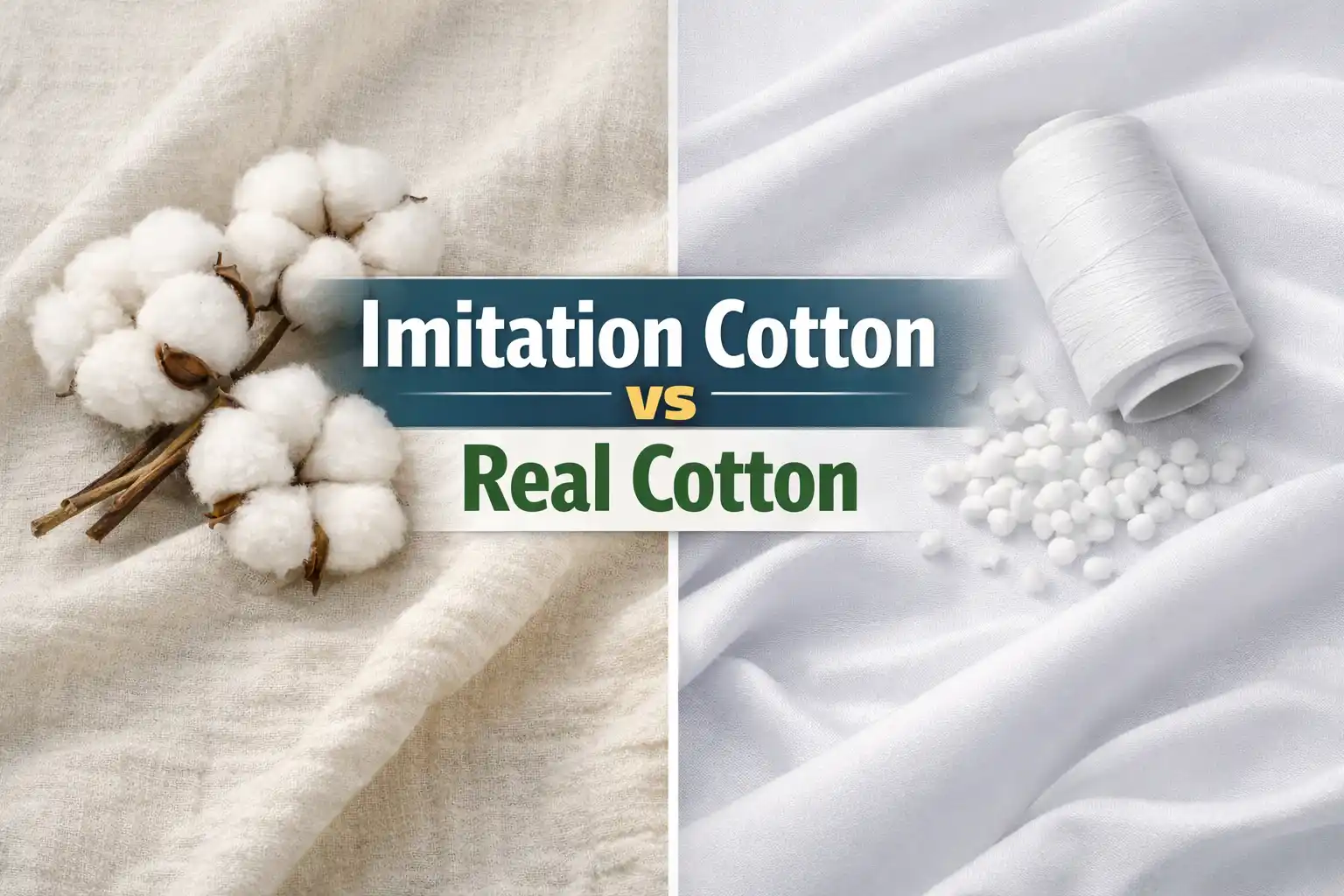
Cotton is the most common fabric for medical uniforms because it is soft, breathable, and comfortable for long shifts. It lets air flow, reducing heat and sweat and helping prevent skin irritation. Cotton scrubs are easy to sew and fit well, making them great for large hospital orders. However, cotton can shrink or wrinkle during industrial washing, and it absorbs moisture more readily than synthetic fabrics. Despite these issues, cotton remains a good choice when comfort is more important than extreme durability.
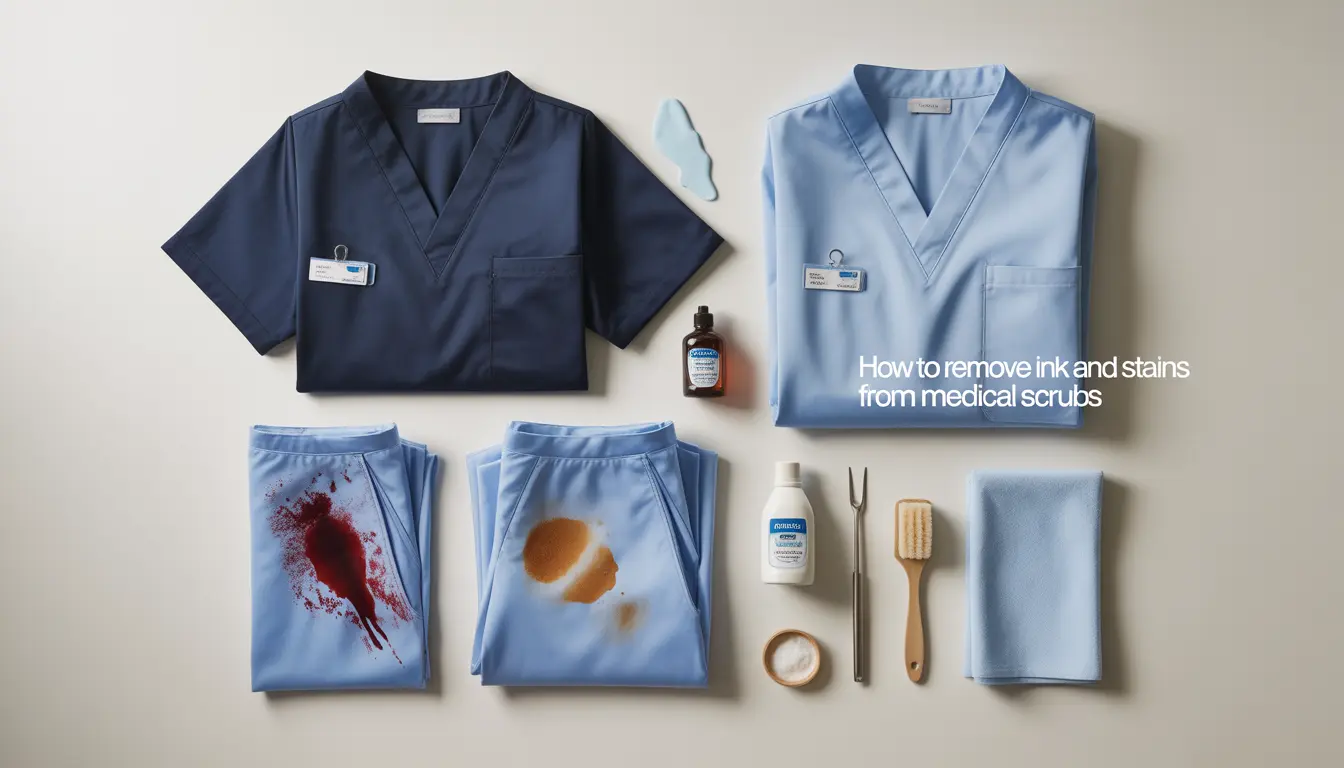
Related:- How to remove ink and stain from Medical Scrubs
Regenerated Cellulose: Rayon, Bamboo, Modal, and Tencel
Regenerated cellulose fibers such as rayon, bamboo, modal, and Tencel are soft and absorb moisture well, making them ideal for high-quality clothing. These fibers are made by processing natural cellulose to create smooth fabrics that drape nicely. Rayon and modal are breathable and hold color well, while bamboo and Tencel are often marketed as eco-friendly. These fabrics stay comfortable during long hours and work well in hot climates. They wear out moderately after many washes, so they are often mixed with polyester or cotton to make them last longer while still feeling soft.
Synthetic Fibers: Polyester and Nylon in Modern Medical Uniforms
Polyester and nylon are important synthetic fibers used in medical uniforms. They are strong, do not wear down easily, and retain their color well. They dry fast, resist wrinkles, and hold their shape after washing, making them cost-effective for hospitals. Polyester is often made into poplin or twill, offering both strength and comfort. Nylon is used in stretchy fabrics for better performance. These fibers absorb less moisture than natural ones, so they are usually mixed with cotton or other materials to improve breathability and feel. Synthetic fabrics are great for busy departments or places where easy care and quick drying are important.
Elastomeric Fibers: Spandex and the Rise of Stretch Scrubs
Spandex, or elastane, is added in small amounts to medical uniforms to provide stretch and recovery. Even a little spandex helps fabrics move with the wearer, making it more comfortable for staff who bend, lift, or reach a lot. Stretch scrubs reduce limitations during long shifts and keep their shape after washing. Spandex is usually blended with cotton, polyester, or other fibers to combine flexibility, strength, and softness. These blends are now popular in emergency, ICU, and active care roles.
Common Blend Families in Today’s Scrub Fabrics
Blends mix different fibers to improve comfort, durability, and ease of care. Polycotton, made from cotton and polyester, breathes well, holds color, and shrinks less. Tri-blends like poly-rayon-spandex are soft, stretchy, and durable, making them ideal for active use or premium applications. Cotton-poly-spandex blends offer comfort and flexibility while being strong enough for industrial washing. Nylon-spandex blends are designed for high mobility and wear resistance. Choosing the right blend depends on the job, workload, and climate, ensuring uniforms stay effective, looking good, and comfortable even after many washes.
Cotton Wovens (100 Percent Cotton Scrubs)
Cotton is a top choice for medical uniforms because it is soft, breathable, and comfortable for long shifts. Pure cotton scrubs are made from staple fibers, woven into fabrics such as poplin or twill. This creates a consistent feel and look. They are great for large hospital orders and can be washed properly with the right GSM and construction. Cotton works well in places where comfort is important, and staff need to move around easily. Though cotton scrubs can wrinkle or shrink from industrial washing, they offer good softness, breathability, and durability for staff who work long hours. Procurement teams need to understand a fabric’s composition, weave, and weight when choosing uniforms based on facts.
Composition and Weave: Poplin, Twill, and Yarn Types
Cotton scrubs are usually made from poplin or twill. Poplin uses a tight weave, making it smooth and crisp. Twill has a diagonal pattern that helps it drape better and resist wear. The type of yarn also matters; combed cotton is softer, while carded cotton is cheaper but rougher. Teams should remember that tighter weaves and higher thread counts make the fabric more durable and resistant to pilling, which is good for heavy cleaning. Both poplin and twill retain their colors well, enhancing clarity and professionalism in work settings. Choosing between these types depends on the job’s feel, look, and needs.
Key Properties: Breathability, Durability, Moisture, and Wrinkling
Cotton fabrics allow good airflow, helping to keep people cool during long shifts. They absorb sweat well but take longer to dry compared to synthetic materials. Cotton is moderately durable; high-quality cotton and tight weaves hold up well after many hospital washes. However, cotton scrubs often wrinkle after washing, so they may need to be ironed to look professional. They usually keep their color well, but frequent bleach or hot washes can fade them over time. Knowing these features helps teams choose the right fabric for their department’s needs and care.
GSM, Handfeel, and How Cotton Scrubs Wear Over Time
Fabric weight, measured in GSM, affects how comfortable and long-lasting cotton scrubs are. Lighter fabrics, around 160-190 GSM, are breathable and good for warm weather, but they might wear out more quickly. Heavier fabrics, between 200 and 220 GSM, are durable and sturdy, making them better for cooler weather or places where scrubs get washed often. Combed cotton feels soft and drapes nicely. Over time, cotton scrubs become even softer, but washing them repeatedly can cause slight shrinkage and more wrinkles. Choosing the right GSM and yarn type helps keep scrubs comfortable and looking good for a long time.
Pros, Cons, Use Cases, and Best Climates for Cotton Scrubs
Cotton scrubs are highly breathable and comfortable, making them ideal for general wards and outpatient clinics with long shifts. They fit consistently, are easy to sew, and look professional without a synthetic feel. However, they can wrinkle, shrink, and take longer to dry. Pure cotton works best in warm climates, while heavier twill is good for cooler areas. Cotton scrubs aren’t ideal for the ER, ICU, or jobs needing a lot of movement unless mixed with synthetic fibers for better durability and stretch. They are a dependable option when comfort and natural fabric are important.
Polyester Scrubs (Near 100 Percent Polyester)
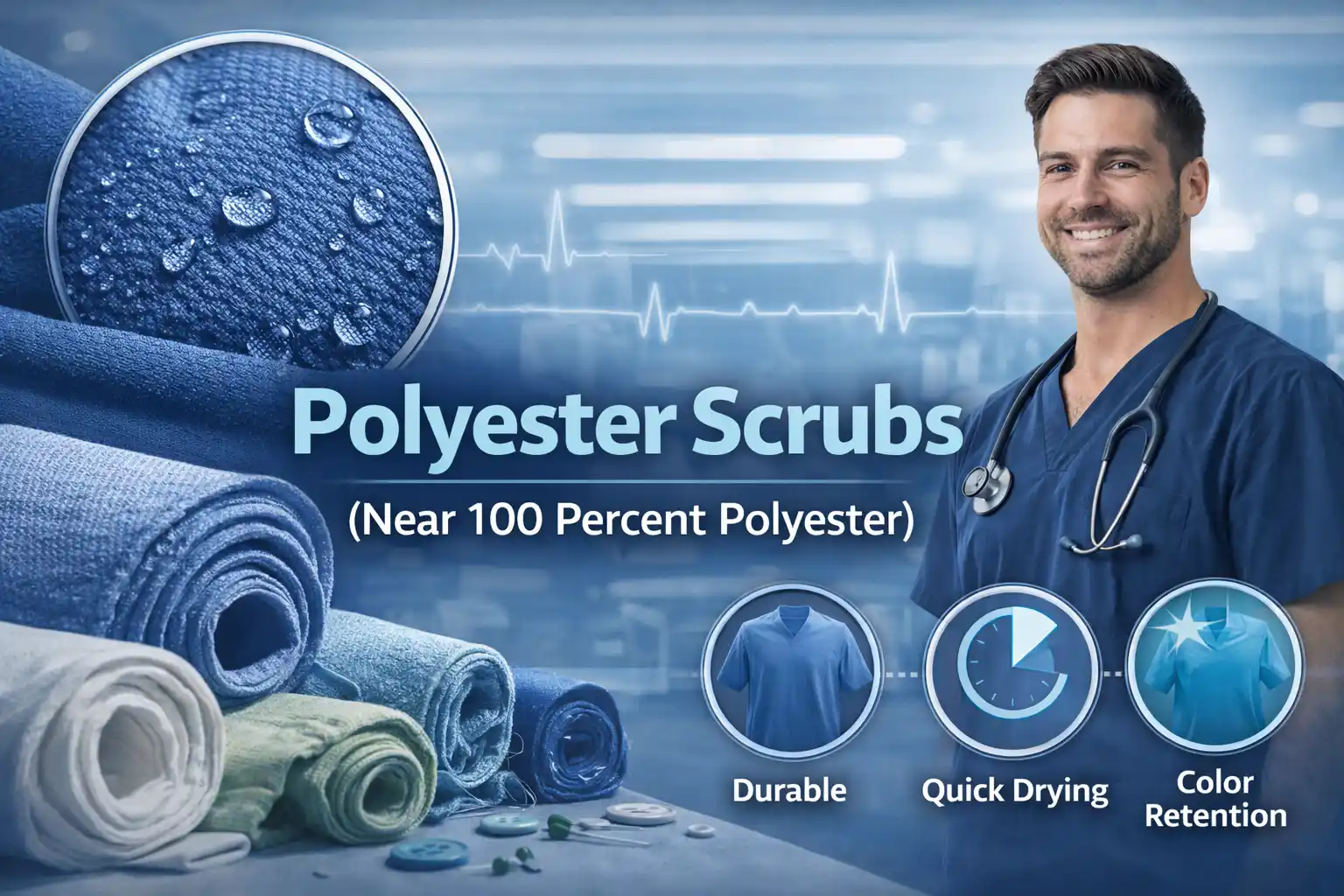
Polyester scrubs are made from strong synthetic fibers that last long and keep their color even after many washes. Microfiber creates lightweight but sturdy fabrics, perfect for busy hospital areas. Polyester holds its shape and resists pilling and wrinkling, lowering maintenance and replacement costs. Procurement teams like polyester scrubs for places that need frequent washing and long shifts. Although synthetic fibers don’t breathe as well as cotton, newer polyester blends with moisture-wicking finishes are more comfortable and help reduce heat. Polyester scrubs are great for ER, ICU, and surgical staff who need tough, easy-care uniforms.
Microfiber Polyester Scrubs and Common Constructions
Microfiber polyester scrubs use very fine fibers woven closely to make soft, strong fabrics. Common types include plain weave and twill, and the microfiber yarns help the fabric move easily and reduce friction. These fabrics are lightweight, resist wear, and keep their color wash after wash. Some scrubs feature stretch to help staff move more easily. For procurement teams, microfiber polyester offers a good mix of professional look, durability, and easy care, making it great for bulk orders and consistent uniforms over time.
Performance Profile: Durability, Wrinkle Resistance, and Moisture Wicking
Polyester scrubs are very strong and can handle industrial washing. They don’t tear, shrink, or wear out easily. They keep their shape and color better than cotton, looking professional even after many uses. They resist wrinkles, so there’s less need to iron them. Polyester dries quickly and can be treated to wick moisture away, helping keep you comfortable in hot conditions. The colors stay bright even after many washes, which is important for hospital safety. Although polyester doesn’t breathe as well as cotton, improvements in design make it lightweight and help reduce heat, making it good for busy jobs and long shifts.
Feel, GSM Ranges, Pros, Cons, and Best Use Cases
Polyester scrubs can feel smooth, like microfiber, or more structured, like twill. Their weight usually ranges from 160 to 220 GSM. Lighter fabrics are better for hot climates, while heavier ones last longer in frequent washing. The benefits of polyester scrubs include lasting color, easy care, wrinkle resistance, and good durability. However, they breathe less naturally, can create static, and are not as soft as cotton or blends.
Polyester scrubs work well in emergency rooms, intensive care units, surgical teams, and labs, where frequent washing, mobility, and a neat look are important. Procurement teams can save money by buying in bulk and choosing the right fabric weight for the climate and their department’s needs.
Polyester Cotton Blends (Polycotton Scrubs)
Polycotton scrubs mix cotton and polyester to provide comfort and functionality. Cotton makes the fabric soft and breathable, while polyester adds strength and helps resist wrinkles and fading. Hospitals prefer polycotton for their uniforms because it offers consistent sizing, withstands industrial washing, and requires less care than pure cotton. These blends work well across various environments, including general wards, outpatient clinics, and labs. Procurement teams can choose different blend ratios based on the climate, workload, and staff movement. Polycotton looks professional and cuts costs by lasting longer and needing less ironing.
Related:- Medical scrub Fabric Types
Typical Ratios and Why Hospitals Love Polycotton
Polycotton blends usually have 65% polyester and 35% cotton, but the mix can range from 50/50 to 80% polyester and 20% cotton. More polyester makes the fabric stronger, helps keep colors, and reduces wrinkles, while more cotton makes it softer and more breathable. Hospitals like polycotton scrubs because they are comfortable and withstand frequent washing. This blend helps keep uniforms consistent across staff and departments, reducing the need for replacements and saving money. The right mix depends on the climate, the level of staff activity, and what each department needs.
Breathability, Durability, and Care Requirements
Polycotton scrubs have moderate to high breathability, depending on the blend’s cotton content. The polyester makes them durable and helps prevent shrinking, keeping sizes consistent over time. They are easier to care for than pure cotton, drying faster and wrinkling less. These scrubs can handle industrial washing and bleach better than cotton alone, making them ideal for busy hospital departments. Procurement teams should remember that while polycotton is easier to maintain, more cotton content can lead to greater shrinkage and wrinkling if not handled carefully. Choosing the right ratio ensures that scrubs remain comfortable and look good after many washes.
GSM, Comfort in Real Use, and Climate Fit
GSM for polycotton scrubs usually varies from 160 to 210. Lighter fabrics are comfortable and allow airflow in hot weather, while heavier ones last longer through frequent washing and colder conditions. The blend of polyester and cotton feels good against the skin, making it suitable for long shifts. Polycotton works well in many climates, but high humidity may prefer blends with more polyester for faster drying. To keep staff comfortable and effective, consider the blend ratio, weave, and GSM based on their activities and the climate. When buying uniforms, think about these factors to keep staff happy and reduce the need for replacements..
Polyester Rich Tri-Blends (Poly Ray‑on Spandex, Poly Cotton Spandex)
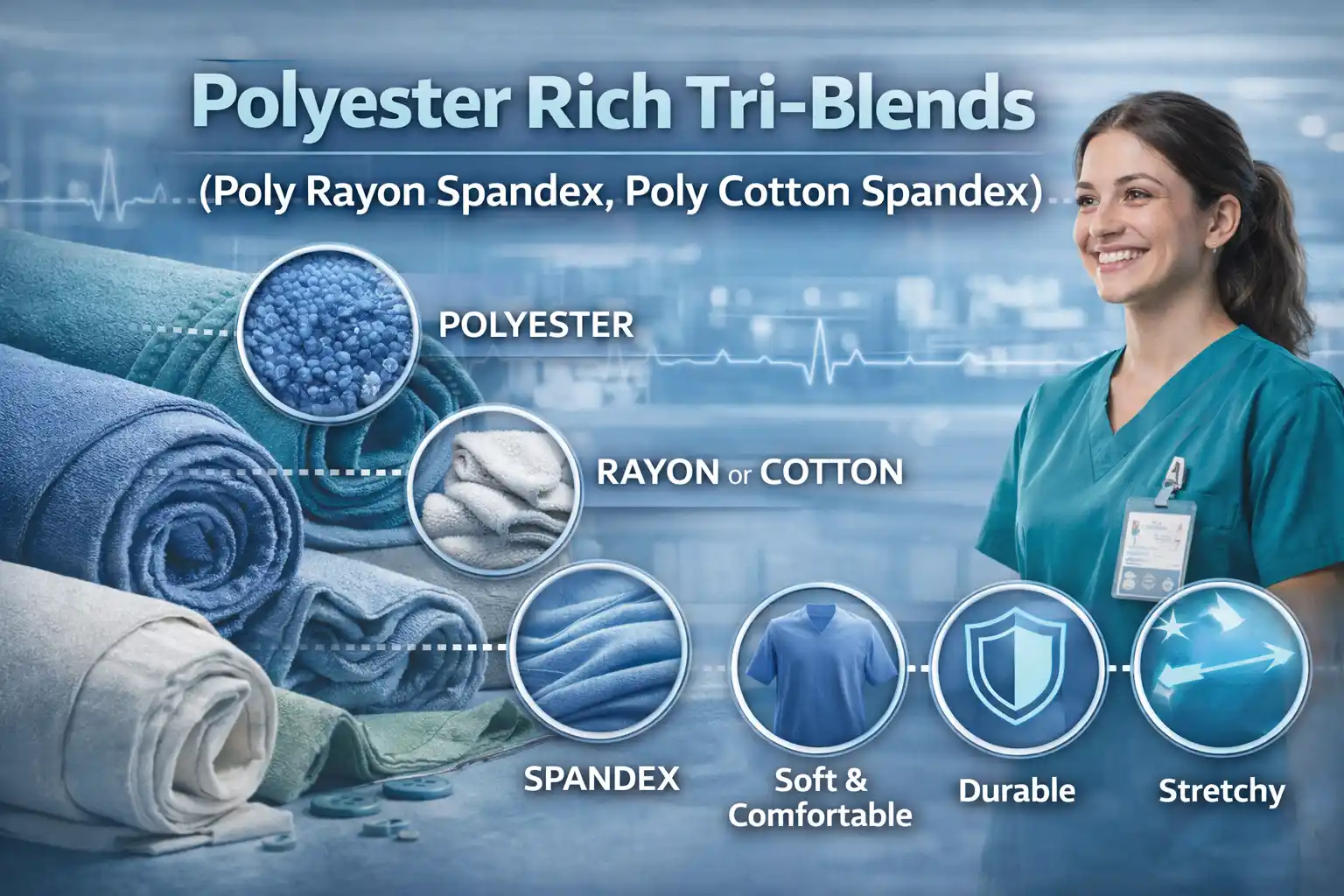
Polyester-rich tri-blends combine polyester with cotton or rayon and a small amount of spandex to make strong, comfy scrub fabrics. These blends are designed for durability, comfort, and stretch, which is great for people who work long hours or need to move a lot. Polyester helps keep colors bright, maintains shape, and resists wear and frequent washing. Cotton or rayon adds breathability and softness, making them more comfortable and better at absorbing moisture. Spandex gives stretch and helps the fabric return to its shape, allowing easy movement without sagging. Tri-blends look professional but feel like athletic wear, helping reduce fatigue and boosting staff performance. Procurement teams like these fabrics for premium uniforms in ER, ICU, and surgical settings, especially for long procedures where flexibility and comfort are key.
What Each Fiber Adds: Polyester, Cotton or Rayon, and Spandex
In tri-blends, each fiber plays an important role. Polyester boosts durability, withstands washing, and maintains color consistency. It also helps resist wrinkles and shrinkage more than cotton alone. Cotton or rayon makes the fabric softer and better at absorbing moisture, which is more comfortable in humid conditions. Rayon adds a smooth drape, improving how the garment fits and looks. Spandex gives the fabric stretch, helping it move with the staff as they bend or lift. Usually, spandex makes up 2% to 5% of the blend, enough to allow for stretch without compromising durability. By combining these fibers, tri-blend scrubs offer a good mix of comfort, performance, and lasting quality, meeting the needs of hospitals and clinics.
2-Way vs 4-Way Stretch and Mobility for Long Shifts
Tri-blend scrubs can stretch in two ways: 2-way or 4-way. Two-way stretch lets the fabric flex in one direction, improving comfort during everyday movement. Four-way stretch allows movement in both length and width, helping garments move with the body during lifting, twisting, and reaching. This is especially important for ER, ICU, and surgical staff, who need to move freely during long shifts. Choosing the right stretch type can reduce wear, limit sagging, and maintain a consistent fit over time. Procurement teams should consider staff roles, shift lengths, and activity levels when deciding on the stretch type to balance comfort, performance, and durability.
Softness, Drape, GSM, and Athleisure Feel
Tri-blends are soft and smooth, providing a professional look that feels like casual or athleisure wear. The fabric weight, known as GSM, usually ranges from 170 to 220. Lighter fabrics allow more airflow, while heavier fabrics add durability for busy departments. The mix of polyester, cotton or rayon, and spandex makes the fabric soft, stretchy, and drapey, helping staff move easily. The athleisure feel boosts satisfaction, especially for long shifts that involve bending, lifting, or walking. Selecting the right GSM helps balance comfort, durability, and temperature control. Procurement teams can improve uniform choices by matching fabric weight and drape to the department’s needs and climate.
Pros, Cons, and Best Roles for Tri-Blend Scrubs
Tri-blend scrubs combine durability, comfort, and stretch, making them great for busy healthcare jobs. They are flexible, soft, keep their color, and resist wrinkles, which is perfect for long shifts in the ER, ICU, or surgery. Their stretch reduces wear and keeps their shape after many washes. Tri-blends also look good while making sure staff stay comfortable.
The downsides are that they cost a bit more than pure cotton or polycotton scrubs and don’t breathe as well in hot conditions. Heavy use or frequent washing can make them less soft over time, and they may require specific care instructions to maintain their shape and color.
Tri-blends are best for high-end hospital uniforms and jobs that need a lot of movement. They are also good for long shifts, specialty clinics, and roles where staff need a professional look while working closely with patients. Buying teams can choose tri-blend scrubs to balance comfort, durability, and cost for jobs that need mobility and staff satisfaction.
Rayon, Bamboo, Modal, and Tencel Based Scrubs
Scrubs made from regenerated cellulose fibers, such as rayon, bamboo, modal, and Tencel, are soft, breathable, and flexible. These fibers come from natural sources but are processed into fabrics. Each type offers unique benefits, making them great for healthcare uniforms that need comfort, moisture control, and softness. Rayon and bamboo absorb moisture well and keep you cool, while modal and Tencel are strong and hold their shape better. These fabrics are popular in private practices, specialty clinics, and as layers under scrubs in surgical areas.
They look professional and keep staff comfortable during long shifts. The weight of these fabrics usually ranges from 160 to 210 GSM, helping teams choose the right balance of airflow, durability, and drape. Though softer than cotton or polyester, these fibers resist wear moderately and need gentle care to last longer. Regenerated cellulose fabrics work well in warm, humid climates where a soft feel and professional look are important.
How Regenerated Cellulose Fibers Are Made and How They Differ
Scrubs made from regenerated cellulose fibers, such as rayon, bamboo, modal, and Tencel, are soft, breathable, and flexible. These fibers come from natural sources but are processed into fabrics. Each type offers unique benefits, making them great for healthcare uniforms that need comfort, moisture control, and softness. Rayon and bamboo absorb moisture well and keep you cool, while modal and Tencel are strong and hold their shape better. These fabrics are popular in private practices, specialty clinics, and as layers under scrubs in surgical areas.
They look professional and keep staff comfortable during long shifts. The weight of these fabrics usually ranges from 160 to 210 GSM, helping teams choose the right balance of airflow, durability, and drape. Though softer than cotton or polyester, these fibers resist wear moderately and need gentle care to last longer. Regenerated cellulose fabrics work well in warm, humid climates where a soft feel and professional look are important.
Breathability, Softness, Moisture Absorption, and Drape in Practice
Regenerated cellulose fabrics are soft, smooth, and drape well. These features reduce chafing and discomfort during long shifts. Fabrics like rayon and bamboo absorb moisture, keeping staff dry in humid conditions, while modal and Tencel hold their shape and resist sagging. They are more breathable than polyester fabrics, making them good for warm weather or for wearing under jackets in cooler areas.
The softness and drape create a professional look similar to that of luxury clothing, while remaining functional. Comfortable staff can work longer and stay focused during busy shifts. Procurement teams need to balance these benefits with durability and cleaning needs when choosing the right regenerated cellulose fabric for hospitals or clinics.
Where These Fabrics Shine: Premium, Private Practice, and Under-Scrubs
Cellulose-based scrubs are best for private clinics, aesthetic practices, and outpatient centers. They are soft, professional, and comfortable for staff. These fabrics work well as under-scrubs in surgeries or busy hospital areas, where layering helps control temperature without limiting movement. Their luxurious feel increases staff satisfaction and enhances their professional look. Regenerated cellulose fabrics are great for departments with moderate activity or less need for heavy-duty wear. Procurement teams should choose these fabrics when comfort and softness are more important than extreme durability.
Related:- How to Choose the Right Scrub Fabric for Hospitals and Clinics
Durability Limits, Care Needs, and Climate Recommendations
Regenerated cellulose scrubs are comfy and breathable, but they are less durable than polyester or cotton blends. Frequent industrial washing, strong detergents, and high heat can weaken fibers, leading to pilling or shrinkage. Care is moderate — wash gently, use lower drying temperatures, and avoid bleach. These fabrics are ideal for warm, humid climates as they absorb moisture and cool the wearer. In cold or air-conditioned spaces, layering with polyester-blend fabrics can help keep you warm while staying comfortable. Procurement teams should consider the needs of the job, washing capabilities, and staff comfort when choosing rayon, bamboo, modal, or Tencel scrubs for hospitals or private practices.
Nylon Spandex and Technical Stretch Scrubs
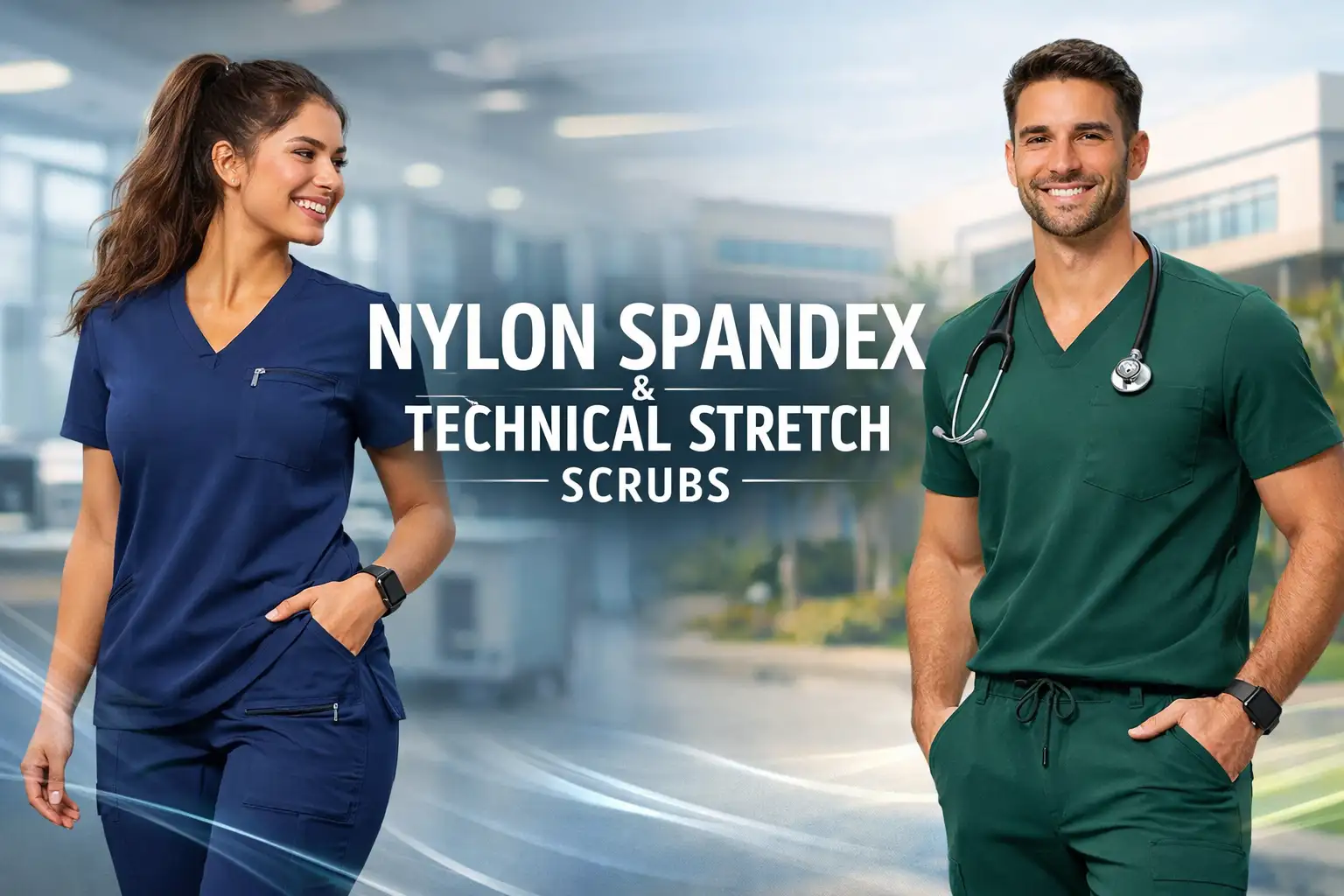
Technical stretch scrubs using nylon, spandex, and performance blends are designed for healthcare roles that demand high mobility, durability, and professional appearance. These fabrics combine synthetic fibers to offer stretch recovery, shape retention, and smooth drape while maintaining resistance to wear from repeated industrial laundering. They are increasingly used in emergency departments, intensive care units, and physical therapy settings where staff must move freely, bend, and lift equipment or patients. Technical stretch scrubs also provide a polished look suitable for patient-facing roles, while the combination of nylon and spandex improves abrasion resistance compared to regenerated cellulose fabrics. GSM typically ranges from 160 to 210 depending on the construction, providing a balance between lightweight mobility and durability. Procurement decisions should focus on the right blend, stretch type, and weight to optimize comfort and operational performance.
Nylon Spandex, Rayon Nylon Spandex, and Other Performance Blends
Nylon-spandex fabrics combine durable nylon with stretchy spandex. They usually contain 3 to 5 percent spandex, which allows for two-way or four-way stretch, enabling free movement. Blends like rayon, nylon, and spandex add softness and moisture-wicking while staying strong and stretchy. Polyester-spandex blends offer better color retention and wrinkle resistance, making them good for long shifts and frequent washing. These fabrics are designed for mobility and long-lasting shape, perfect for ER staff, ICU nurses, residents, and physical therapists. Procurement teams can choose blends based on how soft, stretchy, and durable they need them for different clinical roles.
Woven vs Knit Scrubs: Stretch, Barrier, and Feel Differences
Technical stretch scrubs can be woven or knit, each with its own benefits. Woven fabrics like twills and poplins with spandex look more structured and resist wear better. They hold their shape well but may be less soft than knits. Knit fabrics, such as interlock and jersey, offer more stretch, comfort, and breathability. They fit closely to the body and reduce chafing, though they might pill with many washes. Choosing between woven and knit depends on department needs, movement level, and desired appearance. ER, ICU, and high-movement roles often prefer knits, while procedural or patient-facing roles may like the polished look of wovens.
High-Mobility Use Cases: ER, ICU, Residents, and Physio
Technical stretch scrubs are great for jobs that need a lot of movement. Emergency room and intensive care staff need stretchy fabrics for lifting, bending, and quick responses. Residents and surgical assistants also benefit from stretch fabrics that keep their shape during long shifts and many patient interactions. Physical therapists and rehab staff need scrubs that allow full motion without pulling. Stretch fabrics help reduce fatigue, keep staff focused, and maintain a professional look throughout the shift. Procurement teams should choose the right stretch type, fabric weight, and durability based on the job’s physical demands to ensure efficiency and satisfaction.
Climate and Care Considerations for Technical Stretch Fabrics
Technical stretch scrubs work well in different climates. Lightweight fabrics are good for hot, humid areas because they breathe and help manage moisture. Heavier fabrics keep warmth in cooler places. Care for these scrubs should include low to moderate washing temperatures, gentle detergents, and no bleach to keep the stretch and fabric strong. Four-way stretch fabrics hold their shape better but may need special cleaning methods. Procurement teams should consider the climate, cleaning needs, and job roles when selecting technical stretch scrubs for comfort, performance, and longevity.
Antimicrobial Treated Scrub Fabrics
Antimicrobial treated scrubs are designed to reduce microbial growth on the fabric surface, helping to maintain hygiene and potentially lowering odor between washes. These fabrics are especially relevant in high acuity departments such as operating rooms, intensive care units, and emergency departments where exposure to pathogens is frequent. Antimicrobial finishes are applied during manufacturing or finishing processes and may include coatings, chemical treatments, or embedded ions in the fibers. While antimicrobial scrubs do not replace proper laundering or personal protective equipment, they can complement existing infection control protocols. Procurement decisions should focus on fabrics with proven antimicrobial performance, compatibility with industrial laundering, and durability over multiple washes to ensure long term value.
What Antimicrobial Finishes Are and How They Are Applied
Antimicrobial finishes are special treatments that stop the growth of bacteria, fungi, and other germs on fabrics. These treatments often use metallic ions, such as silver or copper, added during fiber production, or chemical coatings on the fabric. They are meant to work even after many washes. How these finishes are applied affects their performance and care needs. Fabrics with embedded ions are stronger and last longer, while surface coatings can lose their strength over time. Procurement teams should check manufacturers’ details about wash durability and compatibility with industrial laundry.
Silver, Copper, and Other Technologies Explained Simply
Silver and copper are the most common antimicrobial materials in scrub fabrics. Silver ions damage microbial cell membranes and slow their growth. Copper does this too and can also fight viruses. Other antimicrobial options include quaternary ammonium compounds, chitosan, or zinc treatments. These can be added during fiber making or as finishes on the fabric. While antimicrobial finishes help reduce germs, their effectiveness depends on factors like concentration, fabric type, and washing frequency. Procurement teams should review test results and durability claims to ensure the fabric meets hygiene standards and complies with departmental rules.
Lab Results vs Real-World Studies on Antimicrobial Scrubs
Lab tests often show that antimicrobial finishes work well, significantly reducing bacterial levels on treated fabrics. These tests use specific microbes and controlled conditions that don’t always match real hospital settings. Studies in real-world settings show that while antimicrobial scrubs can reduce surface contamination, they don’t significantly reduce infection rates. Factors such as how scrubs are washed, staff actions, and environmental contamination are very important. Procurement teams should understand lab results in context and view antimicrobial scrubs as just one part of a larger infection control plan. Considering cost, durability, department needs, and scientific evidence helps make smart buying decisions.
When Antimicrobial Claims Help and When They Are Mostly Marketing
Antimicrobial finishes can be beneficial in high-risk healthcare settings, but not all claims are valid. Fabrics with tested, long-lasting antimicrobial treatments help reduce germs on scrubs between washes. This is especially helpful in emergency rooms, intensive care units, operating rooms, and labs. They are most useful when staff wear scrubs for long hours, and washing isn’t possible, or contamination is likely.
However, some products claim to be antimicrobial without strong lab support or without lasting effects after multiple washes. These claims may be more about marketing than actual performance. Scrubs with only surface treatments or low-quality finishes quickly lose effectiveness, providing little real benefit.
When buying fabric, look for those with independent tests showing long-lasting antimicrobial effects after multiple washes. Consider the infection control plan, washing methods, and department risks before choosing antimicrobial fabrics. In most general wards or outpatient areas, standard high-quality cotton or polycotton scrubs washed regularly are enough for hygiene. Knowing the difference between real antimicrobial performance and marketing claims helps hospitals make smart, cost-effective choices.
GSM (Fabric Weight) and How It Changes Scrub Performance
Fabric weight, measured in grams per square meter (GSM), is important for scrub performance. GSM tells us how dense the fabric is, as well as its thickness, strength, and breathability. Higher GSM indicates a heavier, stronger fabric, while lower GSM indicates a lighter, more breathable one. For healthcare teams, knowing GSM helps choose scrubs that offer comfort, last longer, and fit different clinical needs. The right GSM lets staff move easily, withstand frequent washing, and provides good coverage. Choosing scrubs solely by fiber content without considering GSM can lead to issues such as shrinkage, reduced durability, or discomfort.
What GSM Means and Typical Weights for Scrubs
GSM stands for grams per square meter and indicates how much a fabric weighs per unit area. In medical scrubs, typical GSM varies based on fiber and weave. Lightweight cotton or polycotton scrubs usually range from 160 to 190 GSM, providing good breathability and flexibility for long shifts. Medium-weight scrubs, around 200-220 GSM, balance strength and comfort, making them suitable for general wards and clinics. Heavier fabrics over 220 GSM, often found in performance polyester or tri-blend scrubs, are very durable and maintain color, but may be less breathable in warm weather. Procurement teams should choose GSM based on departmental needs, climate, and washing practices to ensure reliable performance.
Related:- GSM and Fabric Weight for Medical Scrubs: How It Impacts Comfort, Durability, and Performance
Low, Medium, and High GSM: Coverage, Breathability, and Durability
Low GSM fabrics are light and breathable, making them comfortable to wear for long periods, especially in hot weather. However, they can wear out faster in industrial laundry and may develop pilling or thinning. Medium GSM fabrics strike a balance between durability and comfort. They resist wear, keep their shape, and can be washed frequently without losing flexibility. High GSM fabrics are very durable, offer good coverage, and are less transparent. They are best suited to high-intensity environments, such as operating rooms and labs, where exposure to fluids is common. Each GSM category affects comfort, staff performance, hygiene, and costs over time.
Why Two Fabrics with the Same GSM Can Feel Completely Different
Even if two fabrics have the same GSM, they can feel very different. This is due to the fiber type, yarn twist, weave or knit pattern, and finishing treatments. For instance, a 210 GSM cotton twill feels stiffer and less stretchy than a 210 GSM poly-rayon-spandex blend, which is softer and more flexible. Treatments like wrinkle resistance can also change how the fabric feels on the skin. Procurement teams should consider GSM alongside fiber content, blends, and finishes to ensure scrubs are comfortable and durable for specific needs.
Seasonal and Climate Based Scrub Fabric Choices
Selecting the right scrub fabrics is essential for staff comfort, hygiene, and productivity. Healthcare settings can be hot, humid, or cold, and the wrong fabric can hinder movement, cause sweating, and wear out quickly. Light, breathable fabrics work best in warm areas, while heavier fabrics are suitable for cooler places. Procurement teams should consider fiber content, blend ratios, fabric structure, and climate. The right GSM, moisture control, and stretch help staff stay comfortable and look professional during long shifts. Finishes like quick-drying and stain-resistant can improve performance based on environmental conditions.
Related:- Winter Medical Scrubs: Best Fabrics for Cold and Long Shifts
Hot and Dry Climates: Staying Cool Without Sacrificing Professionalism
In hot, dry climates, breathability and sweat absorption are key. Cotton and cotton-polyester blends work well because they allow air to flow and absorb moisture. Lightweight fabrics under 200 GSM keep staff cool while looking professional. Stretch isn’t as important, but a little stretch can help with movement. Wrinkle-resistant fabrics help maintain a neat appearance throughout long shifts. Procurement teams should focus on durable cotton or cotton blends that withstand frequent washing and harsh sunlight. Keeping layers to a minimum is important to avoid overheating while still meeting professional standards.
Hot and Humid Climates: Managing Sweat, Odor, and Drying Time
In hot, humid weather, it’s important to use fabrics that wick moisture and dry quickly to avoid discomfort and odor. Polyester blends or performance polyester are good because they are durable and manage moisture well. Lightweight fabrics between 180 and 210 GSM offer a good balance of breathability and coverage. Stretchy fabrics, either 2-way or 4-way, improve movement for busy workers. Treatments like antimicrobial finishes and quick-drying features boost hygiene and confidence. While cotton fabrics feel nice, they hold moisture and take longer to dry, making them less suitable for hot conditions. When choosing fabrics, focus on those that keep workers comfortable, reduce odor, and handle regular washing.
Cold Weather and Strong AC: Layering and GSM Strategy
In cooler areas or places with strong AC, heavier GSM fabrics provide warmth and keep their shape. Medium- to heavy-weight cotton blends, polyester blends, and tri-blends offer insulation while allowing movement. Stretchy fabrics let staff layer under their scrubs without losing mobility. Fabrics that feel soft and drape well improve comfort when worn over long sleeves or base layers. Procurement teams should look for blends that breathe well while adding weight for warmth. Stronger fabrics are essential because they withstand greater stress during washing. Choosing the right GSM and fiber type ensures that staff stay comfortable, professional, and productive in cold environments.
Comparative Fabric Performance Table Quick Reference
Comparing scrub fabrics helps procurement teams make quick, fact-based decisions. Different materials, such as cotton, polyester, and blends, have varying properties. Cotton is breathable and comfortable, but not very durable after many washes. Polyester and its blends are durable and resist wrinkles but have moderate breathability. Tri blends mix softness, flexibility, and color fastness well. Regenerated fibers like rayon, bamboo, and Tencel feel great and absorb moisture, but need careful washing. Nylon, spandex, and technical knits offer the best mobility for active jobs while being strong and resilient to washing. Knowing these features, along with environmental and climate factors, ensures staff comfort and keeps operations running smoothly while reducing the need for replacements.
Ranking Fabrics for Breathability, Durability, Stretch, and Care
| Fabric Type | Breathability | Durability | Stretch | Care Level | Typical Roles |
|---|---|---|---|---|---|
| 100% Cotton | High | Medium | Low | Standard | General wards, clinics |
| Polycotton | Medium High | High | Low | Low Maintenance | Hospitals, lab coats |
| Polyester | Medium | Very High | Low | Low Maintenance | High wash cycles, ER |
| Poly Rayon Spandex | Medium | High | High | Standard | ER, ICU, long shifts |
| Cotton Rayon Blends | High | Medium | Low Medium | Standard | Premium clinics, under scrubs |
| Rayon Bamboo | High | Medium | Low | Delicate | Private practice, spa |
| Nylon Spandex | Medium | High | Very High | Standard | Residents, physio, active roles |
Fabrics are rated based on their performance in healthcare settings. These ratings assess how well they withstand washing, how they stretch, how they manage moisture, and how they feel. This table helps procurement teams understand the key differences for buying in bulk.
How to Use This Table to Choose the Right Scrubs for Your Role
Pick fabric based on your department, climate, and staff activity level. For busy roles, choose nylon spandex or tri-blends that stretch. For general wards and clinics, cotton or polycotton is good for comfort and durability. For higher-end settings, consider soft options like rayon or bamboo. Keep in mind breathability and durability to avoid laundry problems and frequent replacements. Also, check the climate and shift length to ensure staff are happy and operations run smoothly.
Real-World Feedback from Clinicians and Patients
Procurement decisions benefit from understanding the experiences of those wearing scrubs every day. Clinicians value fabrics that combine comfort, durability, and ease of care. Real-world feedback highlights how fabric performance affects staff satisfaction, adherence to dress codes, and operational efficiency. Observations show that high mobility, moisture management, and color consistency are critical factors in long shifts, emergency situations, and high-acuity units. Staff preferences also depend on climate, department activity, and laundering practices. Analyzing feedback alongside performance data allows hospitals to align fabric selection with both functional needs and staff expectations, reducing replacement rates and ensuring consistent professional appearance.
What Nurses, Doctors, and Techs Actually Prefer to Wear
Nurses, doctors, and technicians prefer soft, stretchy fabrics that keep their shape after washing. Cotton scrubs are popular in general wards and clinics because they are breathable and comfortable. In the ER and ICU, staff like tri-blends and polyester fabrics. These materials resist wrinkles, keep their color, and handle frequent washing. Many staff members care more about how scrubs feel and how well they stretch than how they look. Preferences also depend on shift length and climate; lightweight fabrics are better for hot weather, while heavier ones are good for cool or air-conditioned rooms.
Sensitive Skin, Chronic Pain, and Comfort-First Fabric Choices
Clinicians with sensitive skin or chronic pain say soft, moisture-absorbing fabrics help reduce irritation during long shifts. Fabrics like rayon, bamboo, and Tencel are often recommended for layers under scrubs or for direct skin contact because they are soft and breathable. Blends with spandex or technical knits enhance mobility, lessening strain on joints during patient care. Cotton-rich fabrics with moderate weight offer comfort for those who want a natural feel while avoiding rough weaves or tight fits that can irritate the skin or limit movement. These choices help scrubs support health and performance, not just appearance.
Common Complaints: Heat, Odor, Pilling, and Wrinkling
Even high-performance fabrics have issues, according to clinical staff. Materials with a lot of polyester or tight blends can hold heat and feel uncomfortable in humidity. Cotton absorbs sweat well but takes a long time to dry. Natural fibers can hold moisture and develop odors during long shifts. Lower-quality blends may pill after many washes, affecting their appearance and feel. Cotton-rich fabrics often wrinkle, which can hurt a professional appearance. To address these problems, choose fabrics with the right weight, moisture control, and finishes that resist wrinkles or odors when suitable.
Conclusion: Choosing the Right Scrub Fabric for Your Role
Choosing the right scrub fabric is important for smooth operations, staff comfort, and a professional look. Each healthcare setting has specific needs, and no single fabric type suits all of them. Hospitals need to consider mobility, durability, breathability, moisture control, and the fabric’s resistance to washing. Factors like climate, department activities, shift length, and staff preferences also affect the best choice. By learning about different fabrics and their qualities, purchasing teams can make smart decisions that cut costs, boost staff satisfaction, and keep a consistent professional appearance.
No Single “Best” Fabric: Matching Fabric to Role and Climate
No fabric performs best in every situation. Cotton-rich fabrics work well in general wards and dry climates because they are breathable and comfortable. Polyester-rich fabrics are good for busy areas that need frequent washing and wrinkle resistance. Tri-blends offer softness, stretch, and durability, which is great for ER, ICU, and long shifts. Technical stretch fabrics offer the best mobility for active roles, such as residents and physiotherapists. Purchasing teams should align fabric choices with department needs, climate, and workflow to enhance comfort, longevity, and staff productivity.
When to Choose Cotton-Rich, Polyester-Rich, Tri-Blends, or Technical Stretch
Cotton-rich scrubs are best for warm climates and low to moderate washing. Polyester-rich fabrics are suitable for high-traffic areas and require frequent washing, especially when wrinkle resistance matters. Tri-blends are great for long shifts and active roles due to their flexibility and comfort. Technical stretch fabrics are ideal for clinicians who need maximum movement, such as physiotherapists or ER staff. Matching fabric types to the department, climate, and staff roles helps ensure consistent performance and avoid issues such as shrinkage, pilling, or excessive wrinkling.
How to Read Labels and Marketing Claims Like a Pro
Scrub labels usually show fiber content, GSM (grams per square meter), stretch percentage, and finishes. Cotton gives breathability and comfort, while polyester adds durability and wrinkle resistance. Spandex or elastane offers stretch and flexibility. Check finishes for antimicrobial protection, stain resistance, or fluid repellency to ensure they are suitable for your needs, rather than just trusting marketing claims. Looking at the fiber type, blend ratios, construction, and care instructions helps procurement teams choose fabrics that meet standards and staff needs without falling for promotional language.