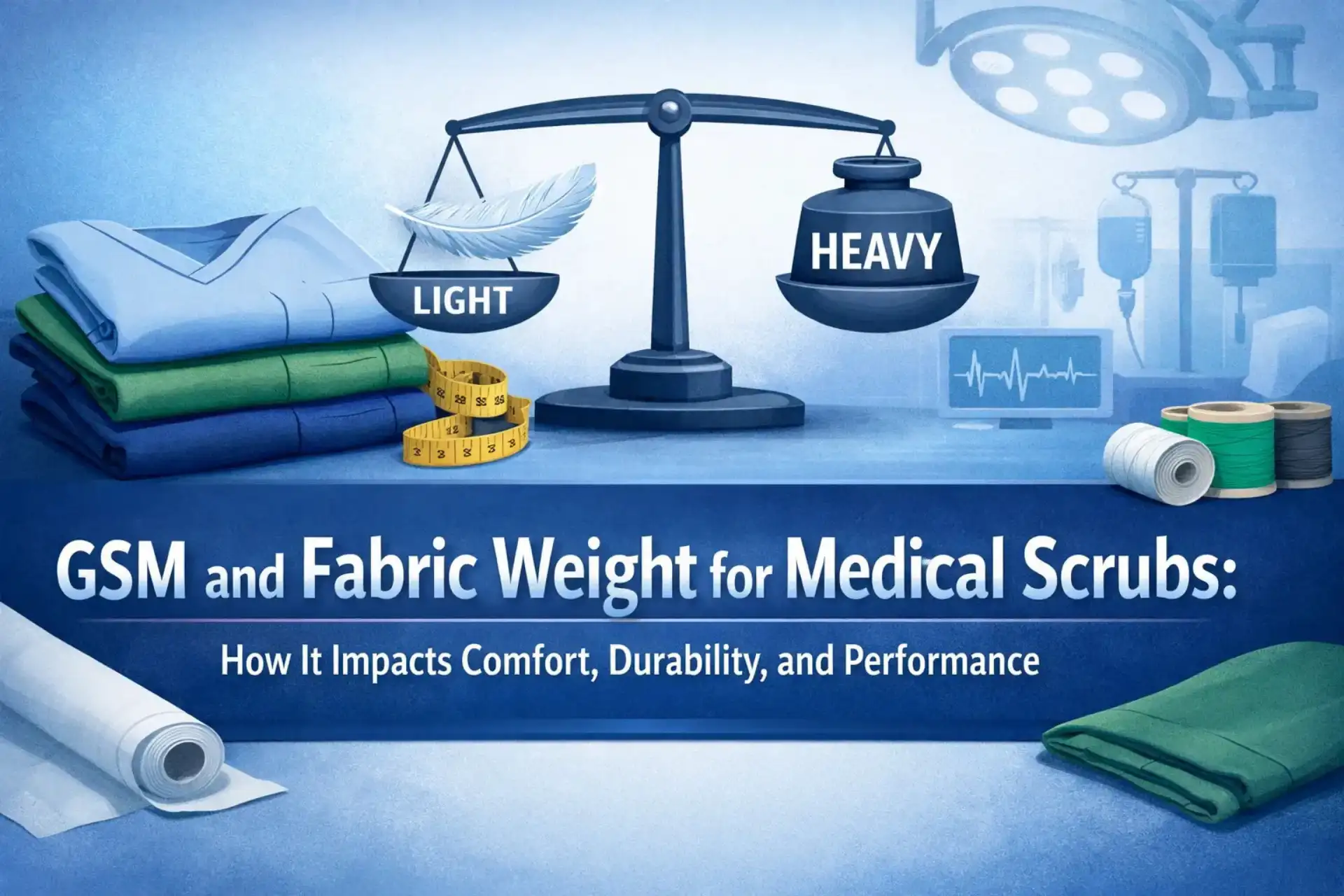

Buying scrubs for a hospital can be challenging. If they are too light, they wear out quickly. If they are too heavy, staff may feel uncomfortable during long shifts. GSM, or grams per square meter, measures fabric thickness and helps hospitals find the right balance. For general nursing and clinic staff, 170–180 GSM is best. Areas like the OR and ICU need scrubs with 200+ GSM for better protection and durability. When selecting scrubs, hospitals also consider cost per wear, compliance with standards like AORN and AAMI and most importantly, how comfortable staff will feel throughout their shifts.
What is GSM and Why It Matters
GSM, or grams per square meter, shows how heavy a fabric is. For hospitals and clinics, this number helps determine how long scrubs last, how comfortable they are, and if they meet standards. Heavier fabrics last longer through frequent washing, while lighter fabrics feel softer but wear out sooner. Knowing GSM also helps with cost planning because it reflects how many washes a scrub can handle. When ordering in bulk or writing an RFP, listing the GSM and fabric type, such as 160 to 170 GSM 65/35 poly cotton, helps ensure the right balance of comfort and durability.
GSM vs oz/yd² vs Thread Count
When buying medical scrubs in bulk, you may see fabric weight as GSM, ounces per yard², or thread count. GSM is the global standard and the easiest way to compare fabrics. Ounces per yard² and thread count provide extra details, but they don’t fully explain durability or comfort. For hospitals, the best approach is to specify GSM along with the fabric type and weave — in contracts and RFPs. It ensures suppliers deliver scrubs that meet performance, comfort, and compliance needs.
140 vs 160 vs 200 GSM
Not all scrubs are the same. The fabric weight, measured in GSM, significantly affects comfort, durability, and suitability for different hospital areas.
150 GSM scrubs are light and breathable, making them great for outpatient clinics and hot weather. They are soft and comfortable, but aren’t suitable for ER or high-risk areas because they wear out quickly and provide less protection.
170 GSM scrubs are perfect for general nursing and clinic staff. They balance durability and comfort, holding up well to frequent industrial washes without losing their shape.
200+ GSM scrubs are heavy-duty, made for the OR, ICU, isolation wards, and surgical specialties. They resist fluids, handle sterilization well, and protect staff in high-risk enviroment, though they can feel warm during long shifts.
| GSM | Weight Class | Best Departments | Durability | Breathability | Cost-per-wear |
|---|---|---|---|---|---|
| 150 | Lightweight | Clinics, Admin | Low-Medium | High | Low |
| 170 | Midweight | Nursing, General Care | Medium-High | Medium | Medium |
| 200+ | Heavyweight | OR, ICU, Surgical | High | Low-Medium | High |
Breathability, Comfort, and Performance by GSM
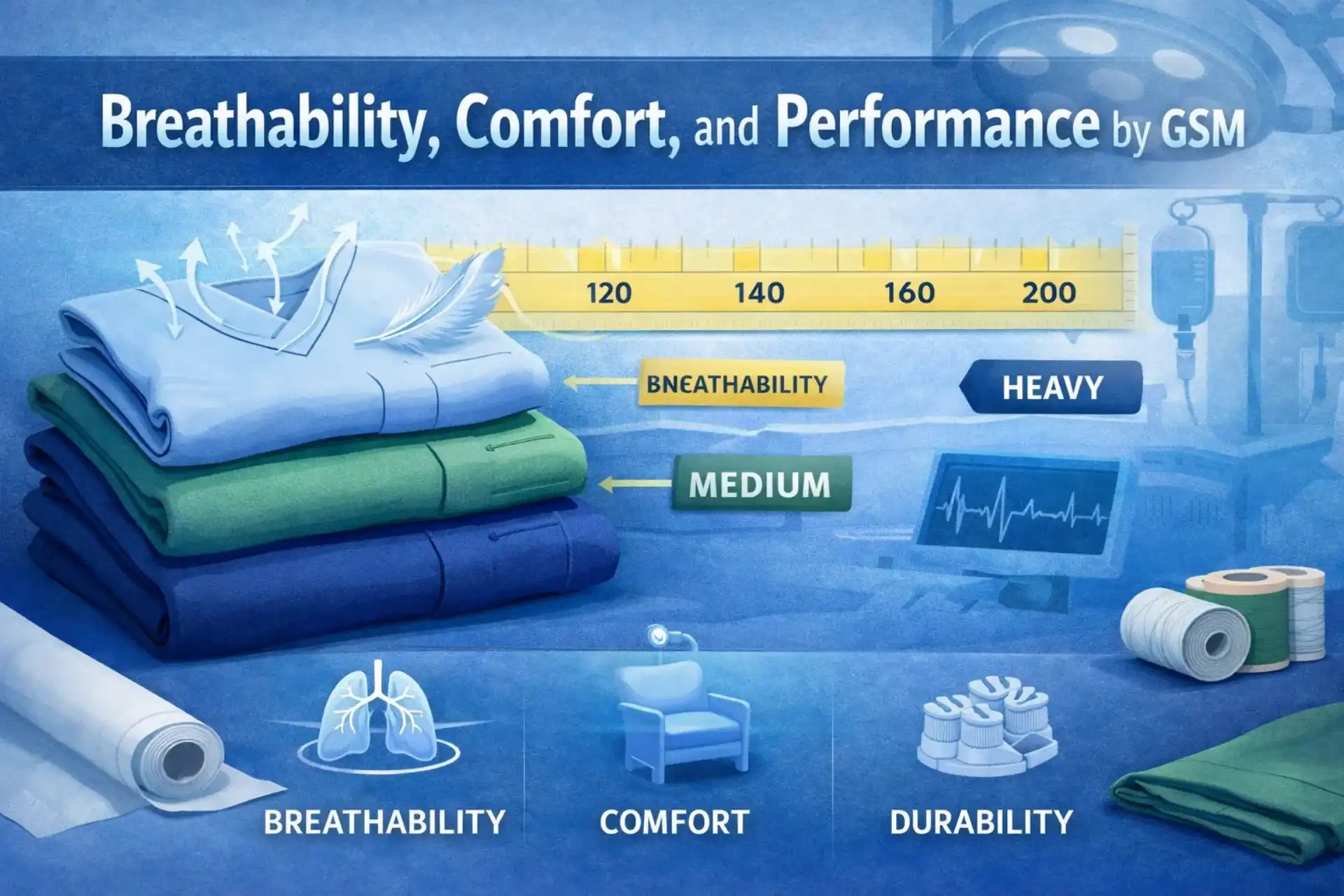
Fabric weight affects how breathable and comfortable scrubs feel during long shifts. Lower GSM fabrics allow more airflow, keeping staff cooler, while higher GSM fabrics provide extra protection against fluids and wear.
Different hospital roles need different fabric weights. ER staff should wear scrubs between 160–180 GSM for stretch and fluid resistance during active shifts. ICU scrubs should be 180–200 GSM for comfort and protection. OR scrubs, at 200+ GSM, prioritize protection over airflow. Clinics and outpatient departments can use scrubs at 150–160 GSM for comfort and a professional look.
Premium features like moisture-wicking and 4-way stretch can justify a higher price for ER and ICU uniforms. These additions help staff stay comfortable, maintain mobility, and reduce fatigue, making scrubs not just protective but practical for demanding environments. Learn more about different medical scrub fabrics to choose the perfect blend for comfort and durability
Durability, Maintenance, Industrial Laundering
Scrubs face tough conditions in hospitals. Industrial laundering uses high temperatures of 60–85°C, bleach, and strong washing methods. Mid- to high-weight scrubs, like 160–200 GSM poly blends, endure this better than lighter 140 GSM fabrics or high-cotton scrubs, which can shrink, fade, or lose shape.
Shrinkage is a key concern for bulk orders. A shrinkage of 2–3% is usually acceptable, but pre-shrunk fabrics reduce replacements and help hospitals manage budgets. Lighter fabrics with more cotton may feel soft but wear out faster, increasing costs over time. Choosing the right GSM and blend keeps scrubs durable and comfortable, even with frequent washing.
Compliance and Safety Standards
Hospital scrubs must follow strict safety and infection control standards. The AORN recommends using tightly woven, low-lint fabrics, usually synthetic or blended, for operating rooms; 100% cotton is not recommended. AAMI PB70 sets barrier performance levels from 1 to 4. While GSM affects durability, it alone doesn’t determine the barrier level. CDC and OSHA guidelines emphasize proper laundering and safe handling of contaminated clothing to protect staff and patients.
To buy scrubs, clearly define the GSM, fabric blend, and AAMI level. This helps suppliers provide comfortable and durable scrubs that meet safety standards, protecting both staff and patients while reducing risk for hospitals. Explore our full range of fabrics to choose the perfect GSM and blend for your hospital scrubs.
Role-Specific GSM Recommendations
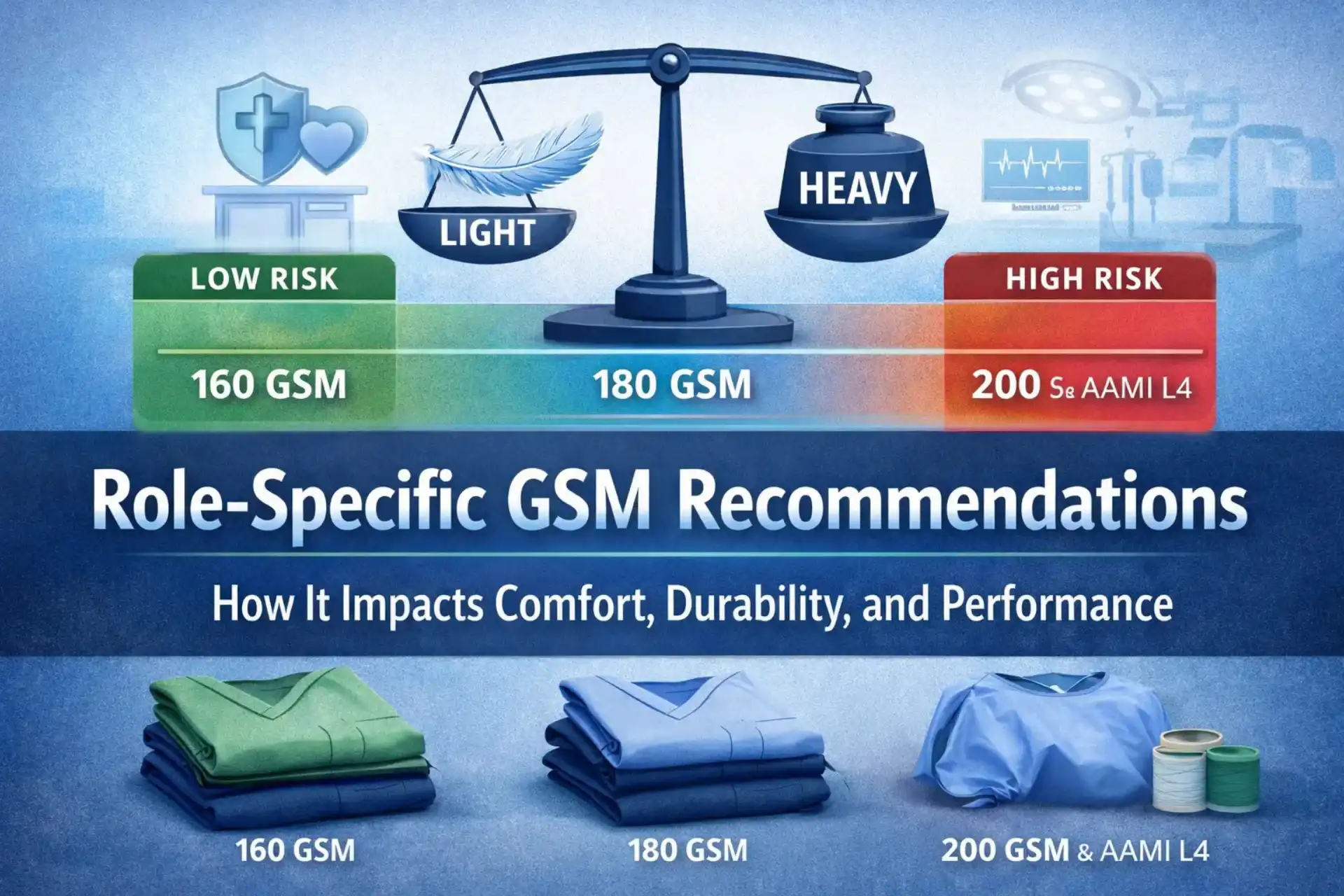
Using the same GSM for all scrubs is easy but not always effective. Different departments have different needs, so a tiered system allows staff to get the right mix of comfort, protection, and durability.
- ICU: 180–200 GSM scrubs made from durable poly-cotton or poly-rayon-spandex blends. Antimicrobial and fluid-resistant finishes protect staff during intensive care.
- OR: 200+ GSM scrubs with a poly focus and few pockets to lower contamination risk. AAMI Level 3–4 compliance is suggested for the best protection.
- ER: 160–180 GSM scrubs with stretchy fabrics that resist stains and fluids, ideal for busy, unpredictable shifts.
- Clinics: 150–160 GSM wrinkle-resistant poly-cotton scrubs provide comfort and a professional look for outpatient and admin staff.
| Department | GSM Range | Blend | Barrier/Compliance Note | Replacement Sets/Year |
|---|---|---|---|---|
| ICU | 180–200 | Poly-Cotton / Poly-RaySpandex | Antimicrobial + Fluid Resistant | 6–8 |
| OR | 200+ | Poly-Dominant | AAMI 3–4, Low Lint | 5–7 |
| ER | 160–180 | Stretch Poly-Cotton | Stain + Fluid Resistant | 5–7 |
| Clinics | 150–160 | Poly-Cotton | Wrinkle-Resistant | 4–6 |
Fabric Blend Performance
Choosing the right fabric blend is as important as selecting the right GSM. Blends influence durability, comfort, and how well scrubs withstand industrial washing.
The 65/35 Poly-Cotton blend is the most popular for hospitals. It is durable, can handle high-temperature washes, produces little lint, and is affordable. These traits make it great for nursing staff, clinics, and administrative roles.
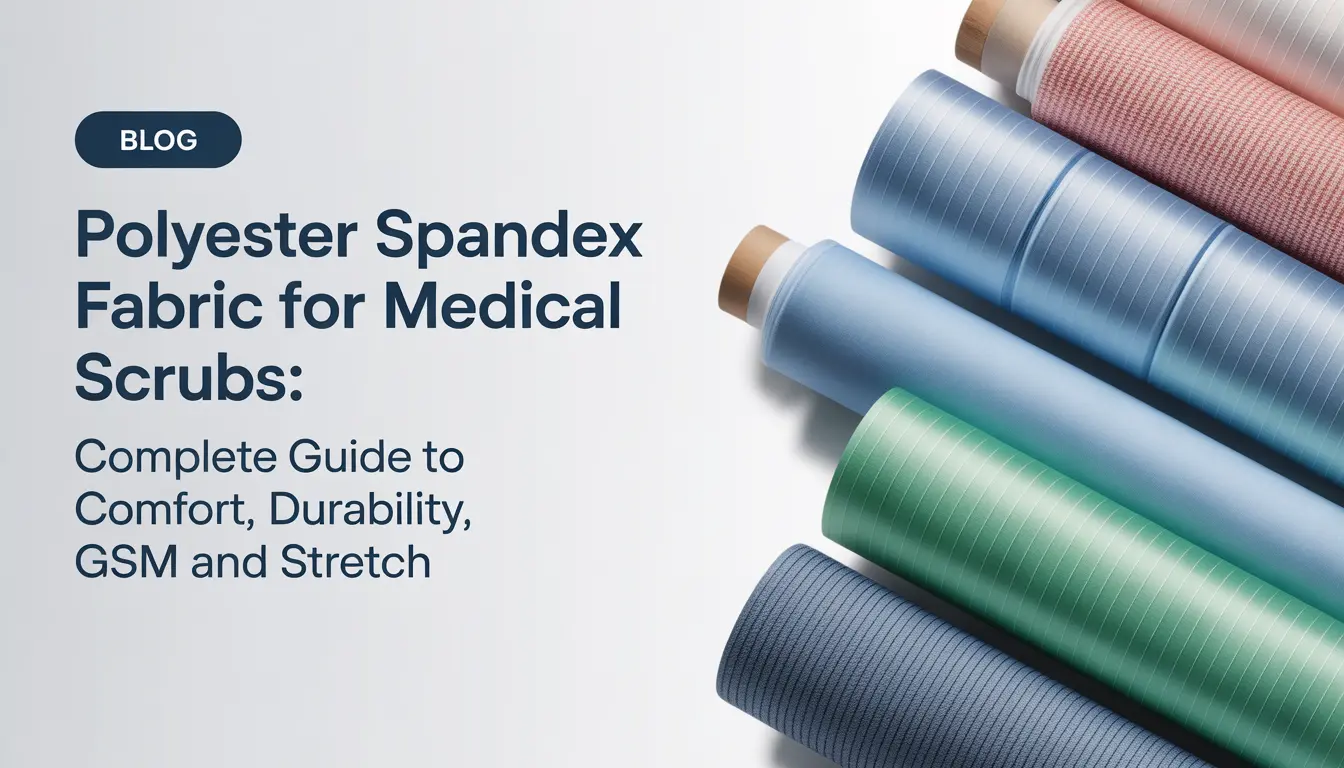
Premium Rayon-Spandex blends are softer, stretchier, and more comfortable. They are ideal for busy areas like the ICU or ER. Although they are more expensive, they can boost staff satisfaction and help retain employees by providing better mobility during long shifts.
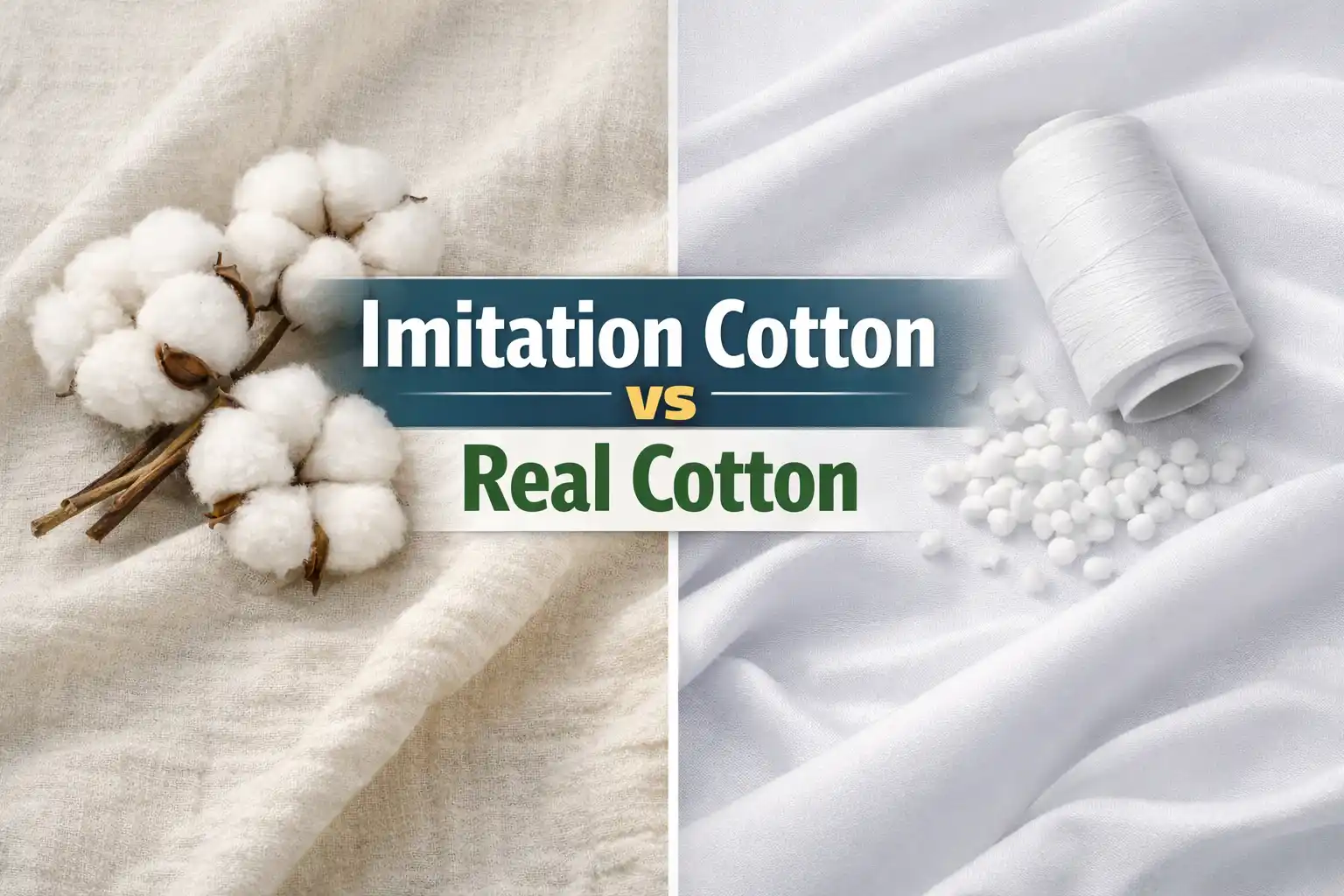
100% Cotton scrubs are usually not recommended for high-risk areas like the OR due to shrinkage, lint, and lower durability in industrial washing. However, they can be suitable for lighter roles or administrative staff where demands are lower.
| Blend | Industrial Laundry Rating | Chlorine Resistance | Typical Departments | Relative Cost |
|---|---|---|---|---|
| 65/35 Poly-Cotton | High | Good | Nursing, Clinics, Admin | Low-Medium |
| Rayon-Spandex | Medium | Moderate | ICU, ER | High |
| 100% Cotton | Low | Low | Admin, Light Duty | Low |
B2B Procurement Insights
When buying scrubs in bulk, it’s crucial to know the minimum order quantities (MOQs) and lead times. Domestic suppliers usually require orders of 100–300 units with lead times of 4–8 weeks. Offshore suppliers often need 300–1,000+ units and have lead times of 8–18 weeks.
Cost-per-wear depends on the fabric’s weight and durability. Lighter 140 GSM scrubs may cost less at first, but wear out quickly, increasing long-term costs. Midweight 160 GSM scrubs work well for general nursing, while 200+ GSM scrubs are more expensive but last longer, making them ideal for OR and ICU staff.
Contracts can include terms like shrinkage guarantees, required AAMI levels, pricing tiers, and lead-time commitments. Specifying these details upfront helps hospitals get compliant scrubs that last longer and allows for better budgeting, reducing surprises and boosting staff satisfaction.
Real-World Questions from Procurement Pros
What GSM should we standardize on?
For general nursing and clinics, 170–180 GSM is a reliable choice. High-risk areas like OR and ICU need heavier fabrics, 180–200+ GSM, for protection and durability.
How much shrinkage is acceptable?
Less than 2–3% shrinkage is generally fine. Pre-shrunk fabrics help reduce replacement frequency and maintain uniform sizing.
Do OR and clinic scrubs need different GSM?
Yes. OR scrubs should be heavier and low-lint to meet AORN standards, while clinic scrubs can be lighter, wrinkle-resistant, and more breathable for comfort.
Is antimicrobial worth the cost?
For high-exposure areas like ICU and ER, antimicrobial finishes add protection and can reduce infection risk, making the investment worthwhile.
How to verify supplier claims?
Ask for lab test reports, industrial laundering results, and compliance certificates to ensure fabric and GSM match specifications.
How many sets per nurse are needed?
Typically 4–8 sets per nurse per year, depending on shift frequency, laundry schedule, and fabric durability.
Key Takeaways
For nursing and clinic staff, a fabric weight of 170–180 GSM with a 65/35 poly-cotton or 95% polyester and 5% spandex blend offers good comfort, durability, and cost. High-risk areas like the OR and ICU need heavier fabrics, around 180–200+ GSM, for better protection. Choosing the right fabric mix, GSM, and standards can help scrubs last longer and feel comfortable while ensuring safety. When buying in bulk, hospitals should specify the GSM, fabric blend, and AAMI levels. They should also ask for shrinkage and laundering test results and consider different fabric tiers for various departments. This strategy balances comfort, durability, compliance, and value for staff and budgets.