
Medical scrubs are a common part of hospital uniforms. This guide explains why they’re called scrubs, how they have changed over time, and how fabric, color, and design affect work eafficiency. It covers materials, fit, color coding, and specific requirements for different departments, helping procurement teams and hospital leaders choose scrubs that enhance hygiene, comfort, and efficiency. Readers will also find useful tips on washing, infection control, and buying in bulk. By the end, you’ll understand how scrubs impact staff performance, safety, and costs.
What Scrubs Mean in Medicine
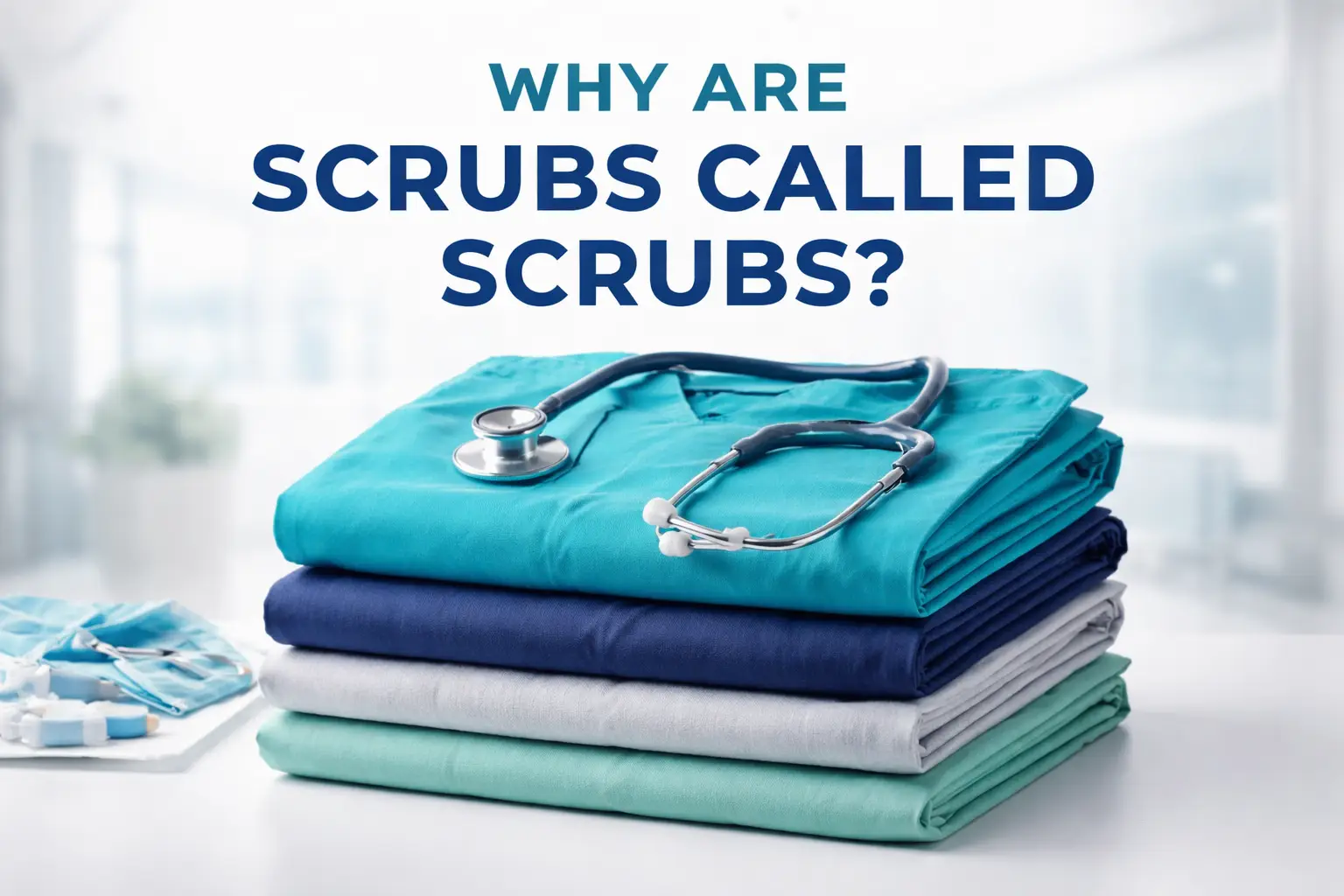
Scrubs are clean clothing worn by healthcare workers, such as surgeons and nurses, to maintain hospital hygiene. They focus on function, not fashion. Scrubs come in various sizes, including unisex, petite, tall, and plus-size, allowing staff to move easily and stay comfortable during long shifts. The name “scrubs” comes from the process of “scrubbing in,” which means washing hands and forearms before surgery. Over time, the clothes worn during this process came to be known as scrubs, highlighting their association with cleanliness and surgical environments.
|
Context |
Meaning |
Example |
|
Medical Scrubs |
Sanitized uniform for hospital staff |
Worn in OR and wards to maintain hygiene |
|
Slang Scrub |
Informal insult or gamer term |
Used to describe inexperience in video games |
Many forums and online communities mix up scrubs with casual or slang terms. In reality, medical scrubs are defined by their purpose, materials, and department use, not by style. This is important for procurement teams choosing uniforms that support staff performance, infection control, and efficient operations.
History of Medical Scrubs: From Street Clothes to Today
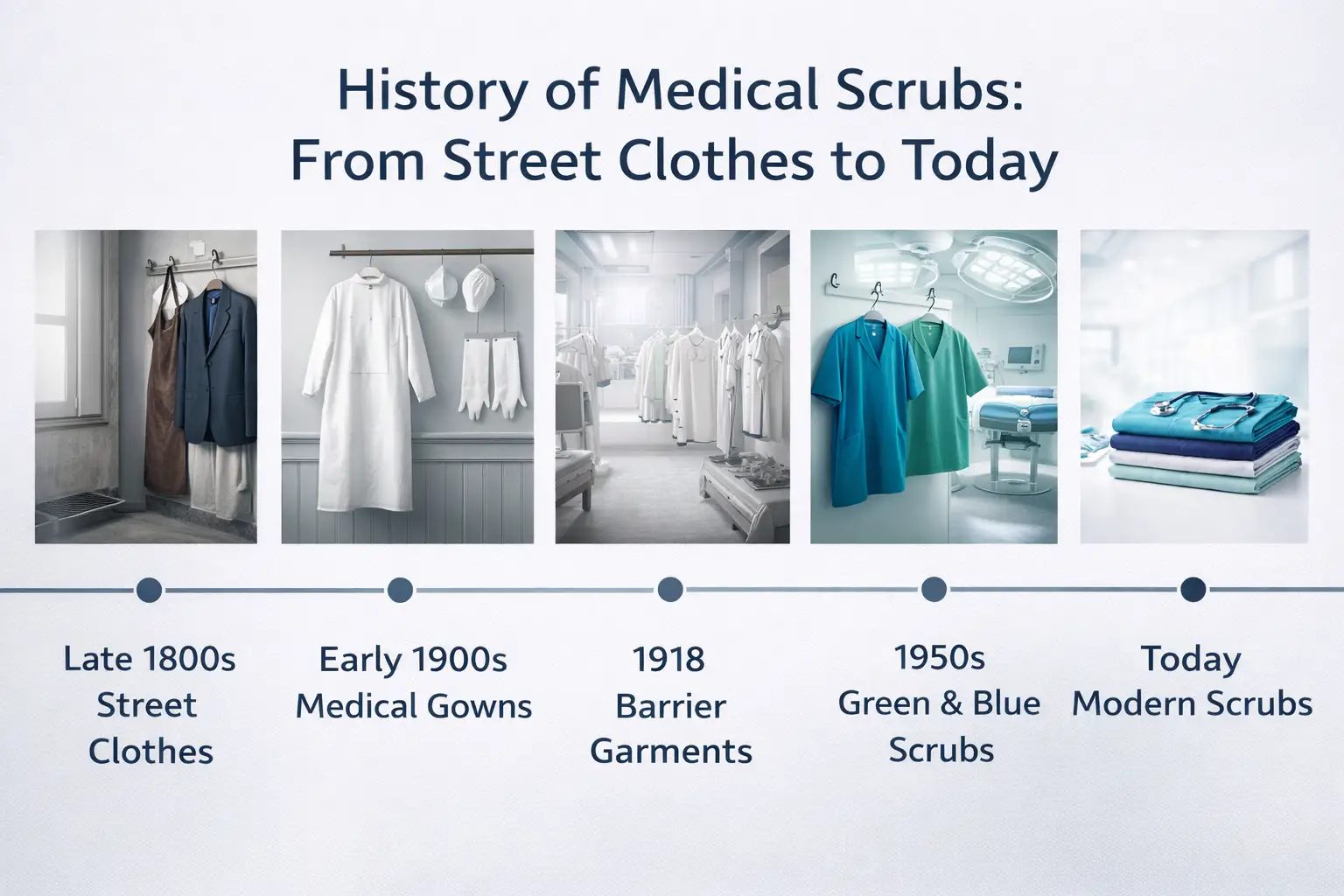
Understanding how medical uniforms changed helps explain why “scrubs” became popular.
Before Antiseptics: Staff wore everyday clothes or aprons with no set standards. These uniforms didn’t protect against infections and were hard to clean.
Late 19th Century: With the discovery of germs, staff began to wear gowns and uniforms. Barrier clothing became needed in surgeries, marking the beginning of specialized medical attire.
Early 20th Century / Spanish Flu: White gowns, masks, and gloves became standard. Using barrier clothing improved patient safety during outbreaks.
1940s–1960s: Green and blue scrubs entered operating rooms. These colors reduced eye strain from bright lights and improved the visibility of blood and fluids.
Late 20th Century to Present: Scrubs became the standard for all hospital roles. Nurses, technicians, and doctors started wearing designs that were comfortable, durable, and recognizable. Modern scrubs feature multiple pockets, stretchy fabrics, and antimicrobial treatments for long shifts and busy work.
How the Name “Scrubs” Stuck in Hospitals
The term “scrubs” is closely tied to the scrubbing in ritual. Staff wash hands and forearms thoroughly before entering sterile areas. Clothing worn before this process was restricted; only after scrubbing were uniforms put on. This practice reinforced hygiene and safety while associating the clothing with the ritual itself.
As hospitals formalized sterile rooms or scrub areas, staff began referring to their garments as scrubs. Over time, the term became common language across healthcare departments. A surgical nurse once commented that outside medicine, most people only see the clothing, not the scrubbed environment, so the word now primarily identifies the uniform itself. This is ultimately why scrubs are called scrubs today. The name reflects both their origin in sterile practice and their functional purpose as medical attire.
Modern Scrubs – Function, Materials, Colors, and Culture
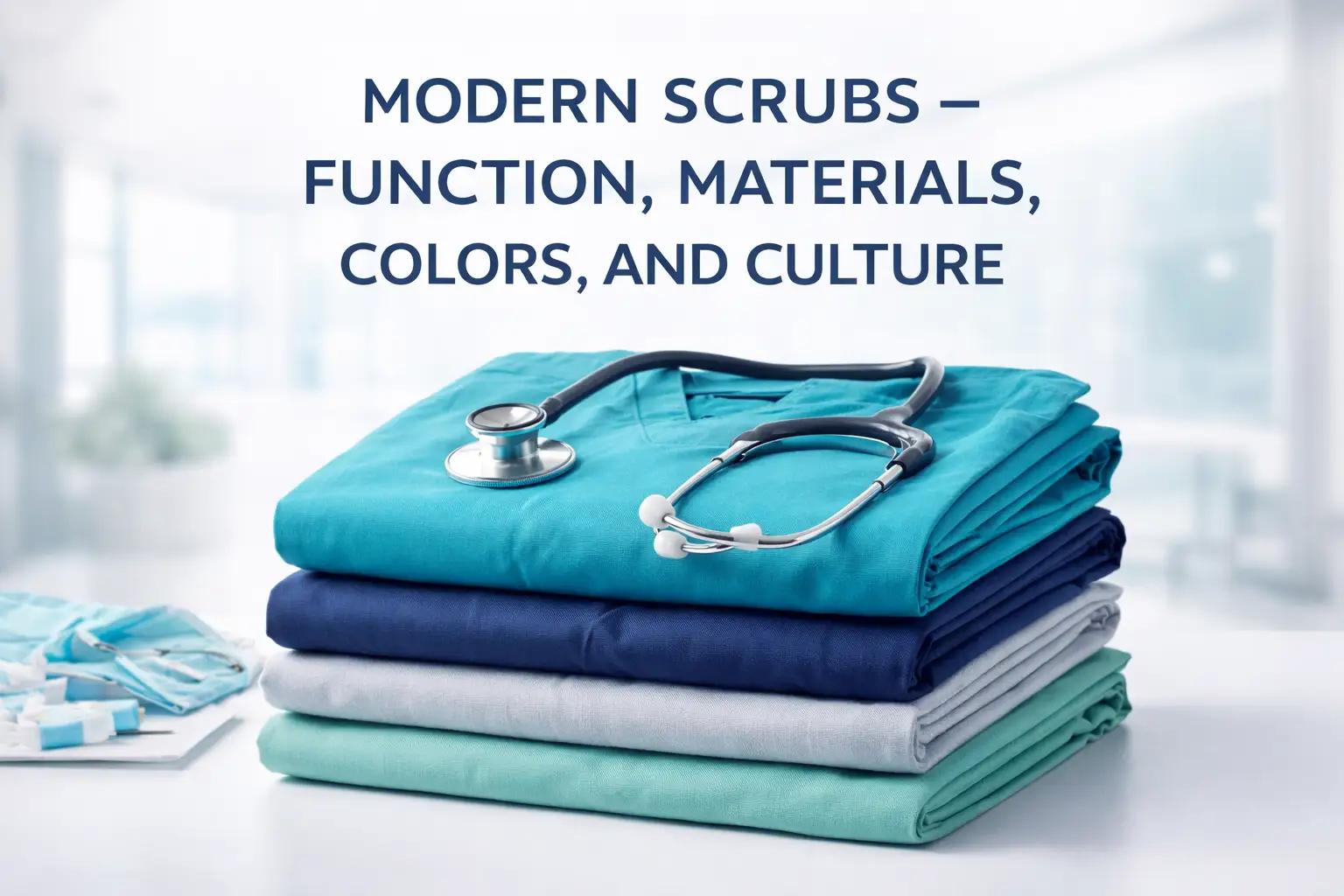
Modern scrubs are designed for hygiene, comfort, and operational needs while following hospital dress codes. Choosing the right materials, colors, and sizes helps staff do their jobs well and keeps patients safe.
Infection Control and Hospital Policy
Scrubs are crucial for hygiene and preventing infections. Hospitals specify where scrubs must be worn, such as in operating rooms and isolation wards, and where they shouldn’t be worn, such as in public areas. Hospital laundry is properly cleaned, while home washing requires extra care. Changing areas help keep uniforms clean, ensuring staff safety and efficiency.
Materials, Comfort, and Fit
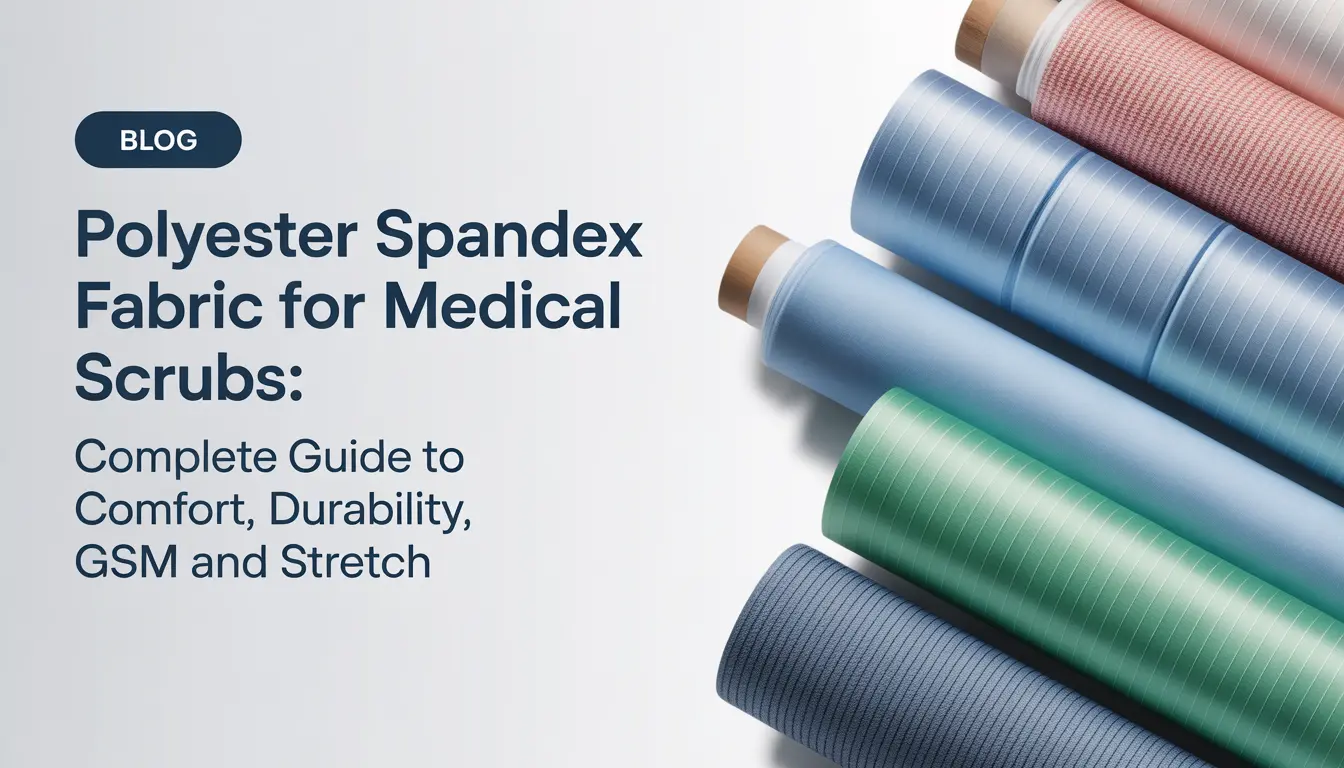
Common fabrics for scrubs include cotton, polyester blends, and polyester-spandex mixes, often treated for antimicrobial properties. Comfort features like breathability, stretch, moisture-wicking, and temperature control are important for long shifts. The fit affects mobility and satisfaction, with options like V-neck designs, jogger pants, and tailored fits for all body types.
Best materials for scrubs by role and shift length:
- Surgeons and OR Staff: Use lightweight polyester-spandex blends for easy movement and cleanliness.
- Nurses on 12-Hour Shifts: Wear cotton-polyester for comfort and long-lasting use.
- Technicians: Choose antimicrobial polyester blends for easy washing and chemical protection.
Color Coding and Professional Identity
Scrub colors show department and role, helping with coordination and patient recognition. Blue and green are common in operating rooms, navy and white in general wards, and bright prints in pediatrics. Consistent colors reduce confusion, clarify roles, and improve patient comfort.
Common Questions and Myths About Scrubs
This quick FAQ addresses common procurement and staff concerns.
Why are scrubs called scrubs?
The term comes from sterilization practices in hospitals. See the “scrubbing in” section for more details.
Medical meaning vs slang meaning?
Medical scrubs are functional uniforms, while slang refers to inexperience or casual behavior.
Do scrubs reduce infection risk?
Properly cleaned and antimicrobial scrubs help limit contamination, especially in operating rooms and isolation wards.
Why are scrubs usually blue or green?
These colors help reduce eye strain and make stains easier to see.
What makes good scrubs?
Good scrubs are made of durable fabric, fit well, have functional pockets, and come in consistent sizes for comfort and efficiency.
Can I wear scrubs outside the hospital?
Wearing scrubs outside is safe, but they do not remain sterile outside clinical areas.
Do I need to iron scrubs?
Minimal ironing is needed if laundry meets hospital standards. Focus on looking clean and wrinkle-free in patient-facing areas.
conclusion
In short, scrubs are important medical uniforms for cleanliness, comfort, and efficiency. Picking the right fabric, fit, and color helps staff perform better and improves infection control and role clarity. For procurement teams and hospital leaders, understanding these factors helps ensure they place safe, durable, and cost-effective bulk orders. By considering each department’s needs, washing methods, and staff movement, hospitals and clinics can maintain high standards and efficiency. Good scrubs are more than just clothes; they are vital for safe and effective healthcare.